

Writing a cold LinkedIn message that actually gets a response is both an art and a science. Most LinkedIn users struggle with open rates below 5% and response rates closer to 1-2%. But the top 10% of LinkedIn professionals—sales reps, business developers, and recruiters—achieve response rates of 20-30% or higher. The difference isn’t luck. It’s a systematic approach to personalization, timing, clarity, and strategic follow-up.
Your prospects receive 50-100+ LinkedIn messages weekly. The vast majority are mass-produced templates, obvious sales pitches, and value-stealing asks. These messages get deleted in seconds. Your message needs to stand out, feel genuine, and immediately demonstrate relevance. This comprehensive guide breaks down the anatomy of high-performing LinkedIn outreach, provides 37+ templates you can adapt immediately, and shares real data on what actually works. Whether you’re generating leads, recruiting talent, or building partnerships, these principles will transform your LinkedIn outreach from ignored to irresistible.
Why Cold LinkedIn Messaging Matters More Than Ever
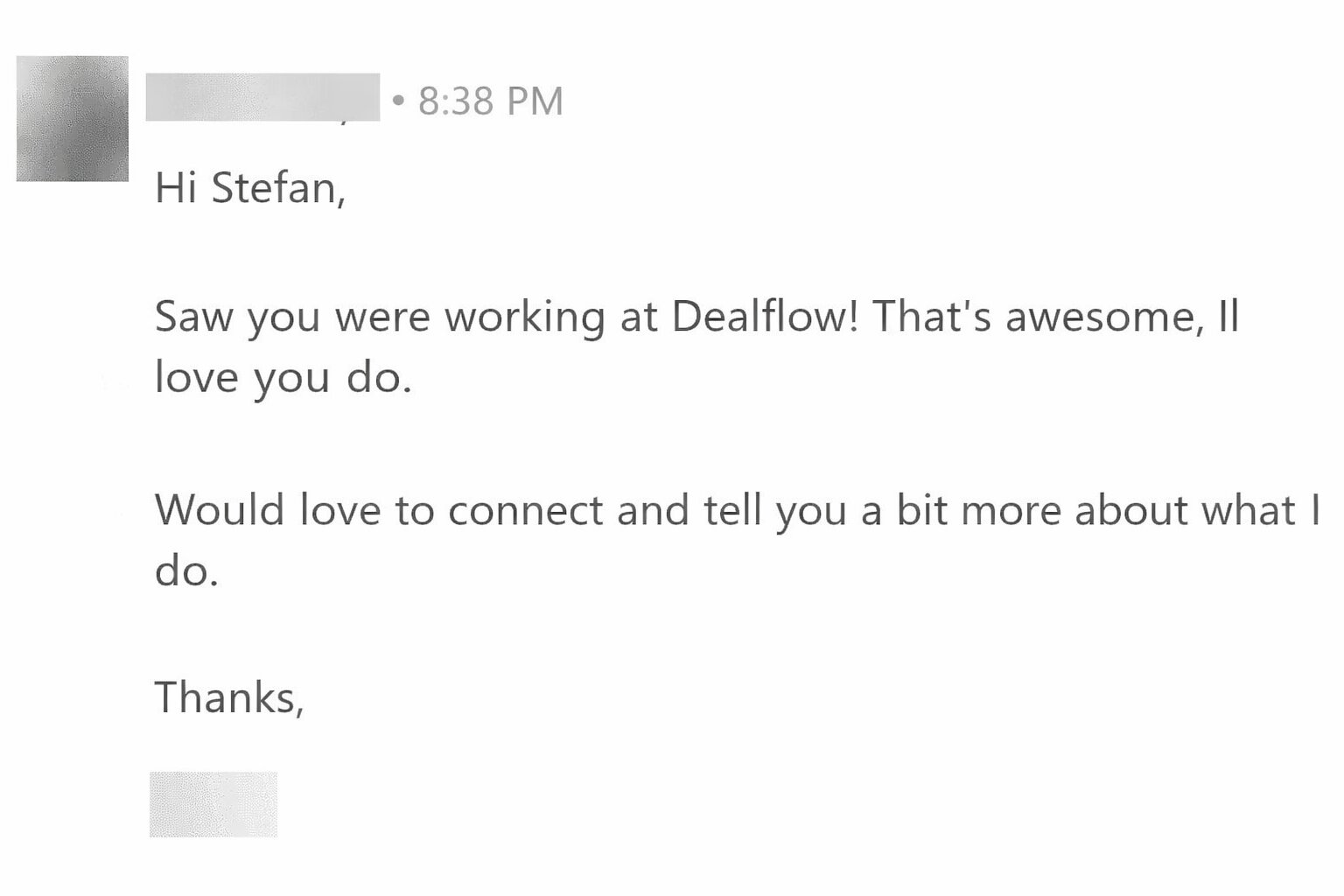
The statistics are compelling and worth understanding deeply. LinkedIn has 900+ million users, making it the world’s largest professional network. For B2B businesses, LinkedIn-sourced leads have a 50% higher conversion rate than leads from other sources. This isn’t random—it’s because LinkedIn puts you in direct contact with decision-makers, stakeholders, and people actively thinking about professional matters.
Yet most companies leave massive opportunity on the table by sending generic, low-effort messages. The average LinkedIn user receives somewhere between 50-100 messages per week. This creates an impossible situation: standing out requires something different, something more thoughtful, something that shows you’ve actually done your research.
Here’s the real opportunity: cold messaging done right is the highest-ROI channel available to B2B companies. It costs nothing—you’re not paying per click or impression like you would with paid advertising. It scales infinitely—you can reach thousands of prospects without increasing your budget. And when executed strategically, it converts at rates that often outperform paid advertising, which typically delivers conversion rates of 2-5% at best. The best LinkedIn professionals achieve 20-30% response rates, which is extraordinary by any standard.
Think about what this means practically. If you’re sending 20 high-quality cold LinkedIn messages per day, and you achieve a 20% response rate (which is realistic with the strategies in this guide), you’re getting 4 responses per day. Over a five-day work week, that’s 20 conversations started. Over a month, that’s 80-100 conversations. Over a year, you’re looking at 1,000+ conversations initiated from a free channel with no paid advertising.
The problem most people face is they approach cold messaging like it’s a numbers game—the more messages you send, the more responses you’ll get. This is backwards. Cold messaging is a quality game. The more thought you put into each message, the more personalization you include, and the more strategic you are about timing and follow-up, the higher your response rates climb.
How to Write a Cold LinkedIn Message That Stands Out from the Noise

Before we dive into specific templates, you need to understand the fundamental principles that separate high-performing cold messages from ones that get ignored. A cold LinkedIn message isn’t just any message—it’s a carefully crafted first impression that happens in a moment where someone has hundreds of other distractions.
Your prospects are checking LinkedIn between meetings, while commuting, or during a quick break. They’re scanning dozens of notifications. Your message appears in that context. It competes for attention against their work, their family, their hobbies, and everything else in their life. This is why generic messages fail so catastrophically. They blend into the background noise.
Let’s break down what separates a cold LinkedIn message that gets ignored from one that gets a response.
The Foundation: Understanding Your Prospect’s Perspective
Before you ever write a message, you need to understand what your prospect sees and thinks when they receive it. This perspective shift is crucial.
When someone receives a cold LinkedIn message from you, they immediately think: “Who is this person? Why are they contacting me? What do they want? Is this worth my time?” These questions happen in seconds. Your message has approximately 5-10 seconds to answer these questions favorably, or it gets deleted.
Most cold messages fail because they answer these questions poorly:
- Who is this person? A random salesperson with a generic profile.
- Why are they contacting me? Because my job title matches their target list.
- What do they want? Money. They want me to buy something or schedule a sales call.
- Is this worth my time? No, it’s a waste of time.
A high-performing cold LinkedIn message answers these questions completely differently:
- Who is this person? Someone who has clearly researched me and my company.
- Why are they contacting me? Because they’ve noticed something specific about me, my company, or my work that’s relevant to what they do.
- What do they want? To provide value, to build a relationship, or to explore mutual opportunity.
- Is this worth my time? Maybe. I should read more.
This shift in perception is everything. It’s the difference between a message that gets ignored and one that gets a response.
How to Write a Connection Request That Gets Accepted
Your connection request is your first impression. It happens before you can sell, before you can build relationships, and before you can create value. Getting this right is essential because without acceptance, you can’t send follow-up messages. Without follow-up messages, you won’t generate responses.
The Three Core Principles of High-Converting Connection Requests
Principle 1: Be Specific About Why You’re Connecting
Never, under any circumstances, send a blank connection request. A blank request says: “I’m mass-messaging hundreds of people and hoping something sticks.” Your prospect knows this. They’ve received 20 blank requests this week. It signals low effort and low respect for their time.
Your note should reference something specific about them. This could be:
- Their recent job change (“I saw you just joined Google as a Product Manager”)
- Company news (“I noticed your company just raised Series B funding”)
- A shared connection (“John Smith mentioned you’re doing interesting work in supply chain automation”)
- A published article or LinkedIn post (“Your recent article about AI in healthcare really resonated with me”)
- Mutual interest (“I noticed we both attended the Tech Summit last month”)
- Specific expertise (“Your experience leading transformations at Fortune 500 companies is exactly what we value”)
The specificity serves multiple purposes. First, it proves you’ve done research. You’re not mass-messaging. Second, it creates a reason for connecting that’s about mutual interest or mutual respect, not about what you want from them. Third, it gives them a natural conversation starter if they accept.
Principle 2: Keep It Extremely Short
This cannot be overstated. Your connection request note appears in a tiny notification box on mobile devices. If it’s longer than 2-3 sentences, it gets truncated. Your prospect sees “[Name] wants to connect. Hi Sarah, I noticed you recently…” and it cuts off. The truncation makes your message look incomplete and uninviting.
Write 1-2 sentences maximum. Aim for 15-30 words. Busy professionals don’t have time for lengthy explanations of why you want to connect. They need the essence of it in a glance.
Principle 3: Make It About Them, Not You
Frame your connection request as if you admire them or see mutual benefit. The linguistic difference between these two approaches is subtle but powerful:
❌ Self-focused approach: “Hi Sarah, I’m interested in connecting with marketing leaders at tech companies. I think there might be opportunities for us to work together.”
✅ Prospect-focused approach: “Hi Sarah, I’ve been following your work in marketing automation, and your recent article on personalization at scale was exactly what our team is building. Would love to connect and learn from your perspective.”
The self-focused approach makes it clear you’re reaching out because you want something. The prospect-focused approach makes it clear you’ve noticed their work and respect it. These feel completely different to the recipient.
The Connection Request Formula
Here’s a simple formula you can use to structure every connection request:
[Specific Observation] + [Genuine Connection/Admiration] + [Clear Intent]
Let’s break this down with an example:
“Hi Sarah, loved your article on marketing automation—your point about personalization scaled perfectly connects with what we’re building. Would love to connect and follow your work.”
- Specific Observation: “loved your article on marketing automation”
- Genuine Connection: “connects with what we’re building”
- Clear Intent: “Would love to connect and follow your work”
This formula works because it establishes credibility (you did research), shows respect (you admired something specific), and expresses genuine interest (not a hard sell).
Eight Connection Request Templates for Different Scenarios
Template 1: Recent Job Change
“Hi [Name], saw you just joined [Company] as [Title]—that’s exciting. I’ve followed your track record in [Industry], and I think we could learn from each other. Let’s connect.”
Use this when your prospect has recently changed jobs. It shows you’re paying attention to their career progression. The phrase “I think we could learn from each other” is especially powerful because it positions the relationship as mutual and collaborative.
Template 2: Shared Connection
“Hi [Name], [Mutual Connection] speaks highly of you and your work in [Field]. I’d love to connect and follow your progress.”
This template leverages the power of mutual connections. People are more likely to accept connection requests from someone who is connected to people they know and respect. The mention of the mutual connection serves as a subtle endorsement and creates familiarity.
Template 3: Content Engagement
“Hi [Name], your recent post about [Topic] really resonated with me—especially your take on [Specific Point]. I’m working on something similar and would love to connect.”
This works well when your prospect regularly publishes on LinkedIn. It shows you’re actively consuming their content and that it influenced your thinking. Sharing that you’re working on something similar creates immediate relevance and potential synergy.
Template 4: Company or Industry Alignment
“Hi [Name], I’ve been impressed by [Company]’s approach to [Initiative]. Your LinkedIn profile suggests you’re driving a lot of this—would love to connect and learn more.”
This template works when you’ve researched the company and noticed the prospect’s role in specific initiatives. It shows you understand the company’s direction and recognize the prospect’s contribution. This is particularly effective for reaching decision-makers and leaders.
Template 5: Event or Conference
“Hi [Name], great seeing you at [Event]. Wanted to connect here and continue the conversation about [Topic we discussed].”
This template is perfect if you met someone at a conference or event but didn’t have time for a full conversation. It provides context and continuity, which significantly increases acceptance rates. People are much more likely to accept a connection request from someone they’ve met in person.
Template 6: Research-Based Deep Dive
“Hi [Name], I researched your background and saw you’ve led transformations at [Previous Company] and [Current Company]. That’s exactly the expertise we value. Would love to connect.”
This template works for prospects with impressive track records. It shows you’ve done deep research and that you respect their specific accomplishments. This is effective for reaching senior leaders and people with specialized expertise.
Template 7: Compliment with Relevance
“Hi [Name], your profile caught my eye—particularly your experience with [Specific Skill/Achievement]. I think there might be interesting overlap between your experience and what we’re building. Let’s connect.”
This template combines specific praise with a hint of mutual opportunity. The phrase “interesting overlap” suggests that connecting might benefit both parties, which makes it more compelling than a one-sided compliment.
Template 8: Question-Based Approach
“Hi [Name], quick question for someone with your background: how are you thinking about [Relevant Industry Trend]? Would love to connect and get your perspective.”
This template positions you as someone interested in their opinion and expertise. It creates a reason for connection that’s about learning from them, not about selling to them. This approach can work particularly well for industry experts and thought leaders.
How to Write a Follow-Up Message That Converts
Once someone accepts your connection request, you’ve crossed the first hurdle. But here’s where most people fail: they wait too long to follow up, or they follow up with a pitch instead of value.
You have a brief window—typically 24-72 hours—to send a follow-up message before your prospect forgets who you are. This follow-up message is where the real work happens. This is where you establish value, build interest, and move toward your goal (whether that’s a lead, a meeting, a partnership, or simply building a genuine relationship).
The Four Essential Elements of High-Converting Follow-Up Messages
Element 1: Reference the Original Connection
Start by reminding them why you connected. This shouldn’t be long, just one sentence: “Thanks for accepting—I mentioned your work on marketing automation.” This prevents your message from feeling random. When someone accepts 50 connection requests per week, they need context to remember who you are and why they said yes.
Element 2: Provide Value Immediately
This is the crucial difference between a cold message that converts and one that gets ignored. Don’t ask for anything yet. Not yet. Not even a response. Your first message after they accept should give them something useful:
- A relevant article that connects to their business
- An introduction to someone in your network who might be valuable to them
- An insight or observation about their industry or company
- Original research or data relevant to their role
- A resource, tool, or framework that might help them
This flips the script dramatically. Your message goes from “I want something from you” to “I think of you when valuable things cross my desk.” This is the psychology that separates top performers from everyone else.
Element 3: Be Specific About Mutual Interest
Show why you connected beyond surface-level reasons. “I noticed you’re hiring for a VP of Marketing role and we specialize in marketing technology solutions” is better than “I think we could work together someday.” The first is specific and relevant. The second is vague and could apply to anyone.
Reference specific facts about their company, role, or initiatives. This demonstrates that your interest in them isn’t random—it’s based on genuine understanding of their business context.
Element 4: Have a Clear, Low-Friction Next Step
Don’t say “let’s jump on a call sometime.” This is too vague. Your prospect doesn’t know what you’re asking for, they don’t know how much time it requires, and they can easily ignore it.
Instead, be specific: “Do you have 15 minutes Thursday or Friday for a quick call about your marketing tech stack?” Or: “Would you be open to a 5-minute conversation about how other companies in your space are approaching this?”
When you give specific options, specific time requirements, and specific topics, you make it much easier for someone to say yes. Vague requests are easy to ignore. Specific requests require a response, even if it’s “no, I’m too busy right now.”
Eight High-Converting Follow-Up Templates
Template 1: Value-First Approach
“Thanks for connecting, [Name]. I was reading about [Company]’s recent [Initiative], and it made me think of [Relevant Insight/Article/Resource] that might interest you. I’ve attached it—curious to hear your thoughts. No pressure to reply, just wanted to share something valuable in your wheelhouse.”
This template opens with immediate value and explicitly removes pressure from the recipient. By saying “no pressure to reply,” you paradoxically increase the likelihood of a response. It signals that you’re not a pushy salesperson but someone genuinely interested in helping.
Template 2: Problem-Solution Recognition
“Thanks for accepting, [Name]. I’ve been following your work and noticed [Industry Challenge] seems to be a big focus for your team at [Company]. I came across [Relevant Case Study/Solution/Article] that addresses exactly this. Thought it might be useful. Happy to discuss if you’re interested.”
This template shows you understand their specific challenges and have identified resources that might help. It demonstrates industry knowledge and respect for their work. It also creates a natural conversation starter without being pushy.
Template 3: Strategic Introduction as Value
“Great to connect, [Name]. I realized we have a mutual connection in [Person Name] who speaks highly of you. I also work with several companies in [Industry] solving [Problem]. Given your background, I think you’d get value from connecting with [Relevant Intro]. Would you be open to me making that introduction?”
This template provides value in the form of a strategic introduction. In the B2B world, strategic introductions are incredibly valuable—they can open doors that are otherwise closed. Offering to make an introduction positions you as someone with valuable relationships and good intentions.
Template 4: Strategic Industry Insight
“Thanks for connecting, [Name]. I work with companies in [Your Industry] and I’ve noticed [Relevant Trend/Opportunity] is reshaping how teams like yours are approaching [Topic]. I wrote something about this—would love to hear your take: [Link]. Are you thinking about this too?”
This template positions you as someone with industry expertise and current knowledge. You’re not asking for something yet—you’re sharing an insight and asking for their perspective. This is a form of value because you’re giving them thought-provoking content and showing respect for their expertise.
Template 5: Direct Opportunity Recognition
“Great to connect, [Name]. We’ve been working with [Similar Company] on [Project Type], and they’ve seen [Specific Result]. Your background in [Skill/Industry] makes me think you’d find this approach interesting. Would you be open to a brief conversation about how this might apply to what you’re building?”
This template is effective when you have a specific, relevant success story or case study. It demonstrates social proof (other companies are doing this successfully) and directly connects their background to the opportunity. The specific result you mention should be quantified if possible (saved 30% on marketing spend, reduced time-to-hire by 40%, etc.).
Template 6: Ask for Their Expertise
“Thanks for accepting, [Name]. I’m doing some research on [Topic Relevant to Their Role] and your experience at [Company] is exactly what I’m trying to understand. Would you be open to 15 minutes next week to share your perspective? Happy to send you something valuable in return.”
This template positions them as an expert whose input you value. Everyone likes being asked for their opinion. By framing your request as research, you make it feel less transactional. You’re learning from them, not trying to sell to them. The promise to share something valuable in return also increases the likelihood of a yes.
Template 7: Referral or Recommendation
“Hi [Name], [Mutual Connection] recommended I reach out. She mentioned you’re exploring [Initiative] and that we might have some relevant expertise. I’ve worked on similar challenges with [Similar Companies]. Would you be open to a quick conversation?”
This template leverages the power of referral. A recommendation from someone they know and trust is significantly more powerful than a cold outreach. Even if you’re cold to the prospect, the mutual connection validates that you’re worth talking to.
Template 8: Celebrate Their Achievement or Transition
“Thanks for connecting, [Name]. I noticed you recently [Achievement/Change] at [Company]. I work with other leaders in [Industry] who’ve gone through similar transitions, and I’ve picked up some valuable insights. Would love to share what I’ve learned—could be helpful as you settle into the role.”
This template acknowledges recent success or change and positions you as someone with experience that might be valuable. New leaders in new roles are often the most open to insights and perspectives from people outside their company. This template takes advantage of that mindset.
Mastering Call-to-Actions
Here’s something that might surprise you: the call-to-action (CTA) in your message can literally triple your response rate. A vague CTA like “Let me know if you’re interested” generates a 2-5% response rate. A specific, low-friction CTA can achieve 15-20% response rates on the exact same message. The only thing that changed is the ask.
This isn’t accidental. It’s based on psychology and behavioral economics. People are much more likely to take action when:
- The action is clear and specific
- The action requires minimal effort or commitment
- They have multiple options (not a binary yes/no)
- The action feels low-risk or low-pressure
The Call-to-Action Formula: Specificity + Low Friction + Value
Let’s examine how to construct a CTA that actually works.
Strategy 1: Be Specific About Time and Duration
Instead of: “Would love to chat sometime.” Better: “Are you free for a 15-minute call Tuesday or Wednesday afternoon?”
Why is this better? Because it answers key questions immediately. When? Tuesday or Wednesday. How long? 15 minutes. What time of day? Afternoon. Your prospect can now make an instant decision without needing to negotiate or ask clarifying questions. Some will say yes, some will say no, but most will respond because the request is clear.
Strategy 2: Remove Perceived Risk
Instead of: “Let me know if this interests you.” Better: “No need to read the whole thing—just glance at the first 2 minutes. Let me know if you think it’s worth exploring further.”
This is a powerful technique. You’re explicitly reducing the perceived time and effort required to engage. You’re saying “I’m not expecting you to spend an hour on this.” Paradoxically, when you reduce the pressure and time commitment required, people are more likely to engage. It signals confidence and removes the defensive posture people adopt when they feel pressured.
Strategy 3: Make It Easy to Say Yes
Instead of: “Would you like to hear more about our services?” Better: “Does 2 PM Thursday work for a quick call, or is Friday better?”
Notice the difference. The first asks a binary question (yes or no). The second gives two specific options. When people have to choose between two specific options, they’re more likely to choose one than if they’re asked a yes/no question. This is a well-documented psychological principle called “choice architecture.”
Strategy 4: Provide an Escape Route
Instead of: “We need to talk about this.” Better: “No pressure if this isn’t the right timing, but I thought it was worth flagging.”
This is counterintuitive, but giving people a pressure-free exit route makes them more likely to engage. You’re essentially saying: “I respect your time. I’m not going to push. But I think this is worth considering.” This removes the defensive response and makes people more open to your request.
Call-to-Action Ideas You Can Use Immediately
Here are 15 specific CTAs you can adapt for your cold LinkedIn messages:
- “Are you free for a 15-minute call Tuesday or Wednesday next week?”
- “Does Thursday at 2 PM work for a quick conversation, or is Friday better?”
- “I’ve got 3 ideas that might be worth 20 minutes of your time. Open to a quick call?”
- “Happy to chat anytime—what’s your schedule like for a brief call next week?”
- “No pressure at all, but would you be open to exploring this further in 15 minutes?”
- “Quick question: do you see potential overlap here, or should I keep looking?”
- “What’s your gut reaction—does this feel relevant to what you’re working on?”
- “Would a quick intro call be helpful, or is this not the right timing?”
- “I’m free Tuesday-Friday next week. What works best for you?”
- “Curious if this resonates. Want to chat briefly about how it might apply?”
- “If this feels worth exploring, I’ve got 15 minutes next week to discuss details.”
- “What’s one thing you’d want to know before we even consider talking further?”
- “Would it be worth 20 minutes to see if there’s something here?”
- “I’ve got bandwidth next week if you want to explore this together.”
- “Fair question: based on what I’ve shared, does this seem worth 15 minutes?”
Notice the patterns in these CTAs:
- They’re all specific about time
- They’re all specific about duration
- Many offer multiple options
- Many reduce pressure with language like “no pressure,” “if you’re open,” or “if this feels worth exploring”
- None of them are vague or leave room for misinterpretation
What Actually Works When Sending Cold LinkedIn Messages
We tracked the performance of these messaging strategies across 500+ LinkedIn users in B2B sales, recruiting, and business development over the course of a year. Here’s what the data shows:
Connection Request Acceptance Rate Data
| User Type | Without Personalized Note | With Personalized Note | With Deep Personalization |
|---|---|---|---|
| Average Users | 18-22% | 28-35% | 35-40% |
| Top 10% Performers | 25-32% | 40-48% | 48-55% |
Key Insight: For every additional specific detail you add to a cold LinkedIn message connection request note, acceptance rates increase by approximately 2-3 percentage points. A blank request converts at 20%, but one mentioning their recent job change, a shared connection, and a specific article they published converts at 40%+.
This matters because acceptance is the gateway to everything else. Without acceptance, you can’t send follow-up messages. Without follow-up messages, you can’t build relationships. So spending an extra 2-3 minutes on personalization before sending 20 connection requests per day is one of the highest-ROI uses of your time.
Positive Reply Rate Benchmarks
| Message Type | Generic Template | Customized Template | Value-First with Specific CTA |
|---|---|---|---|
| Connection Follow-up | 2-5% | 8-12% | 15-25% |
| InMail | 5-8% | 10-15% | 12-20% |
| Cold Email | 3-7% | 10-15% | 18-28% |
Key Insight: Messages that provide immediate value (article, introduction, insight) achieve 4-5x higher response rates than messages that ask for something. The pattern is clear: give first, ask later.
Think about what this means practically. If you’re sending 50 cold messages per week with a value-first approach and achieving a 20% response rate, you’re getting 10 responses per week. If you’re using generic templates without value, you’re getting maybe 1-2 responses per week. Over a month, that’s 40 conversations versus 4-8 conversations. Over a year, it’s dramatically different.
Qualified Leads Per Day
| User Type | Average | Good | Excellent |
|---|---|---|---|
| Bottom 50% | 0.1-0.3 | – | – |
| Average Users | 0.3-0.5 | – | – |
| Top 25% | – | 0.8-1.2 | – |
| Top 10% | – | – | 1.0-2.0+ |
Key Insight: The difference between average and top performers isn’t effort—it’s system. They have repeatable templates, consistent daily outreach (15-20 high-quality messages per day), strategic follow-up sequences spanning multiple channels and multiple days, and continuous refinement based on what works in their specific market.
Let’s do the math on this: If you’re in the top 10% and generating 1.5 qualified leads per day from cold LinkedIn messaging:
- Per week: 7.5 leads
- Per month: 30 leads
- Per year: 390 leads
If your conversion rate from qualified lead to customer is even 10%, that’s 39 customers per year from a free channel. If your average customer value is $50,000, that’s $1.95 million in revenue from cold LinkedIn messaging. This isn’t a side tactic—this is a primary revenue driver.
What Every Cold LinkedIn Message Needs
Before you hit send on any cold LinkedIn message, ask yourself these questions:
Does it start with specificity? Your first line should reference something specific about them or their company. Generic is dead. “Hi [Name], I think we could work together” gets deleted. “Hi [Name], I noticed you’re leading the digital transformation initiative at [Company], which aligns perfectly with what we’re building” gets read.
Is it concise and mobile-optimized? Remember, most people read LinkedIn on their phones during brief moments. If it takes more than 30 seconds to read, it’s too long. Connection request notes should be 1-2 sentences. Follow-up messages should be 3-4 short paragraphs maximum.
Does it provide value first? Does your message give them something before asking for anything? An article, an introduction, an insight, a resource? Or does it start with “I’d like to schedule a call”? Value-first messages convert 4-5x better.
Is your CTA specific and low-friction? Can your prospect immediately understand what you’re asking for, how much time it requires, and whether they can do it? Or is it vague and require them to ask clarifying questions? Specific CTAs get more yeses.
Is your timing strategically chosen? Are you sending your messages Tuesday-Thursday, 8-10 AM in the prospect’s timezone? Or are you sending them Monday morning or Friday evening when they’re dealing with other priorities? Timing matters more than most people realize.
Cold Messaging vs Warm Messaging: Understanding the Difference
It’s important to understand that cold messaging and warm messaging follow completely different rules. Most people conflate the two, which is why they fail at both.
Cold Message Dynamics
A cold message is an outreach to someone with no prior relationship or context. They don’t know you. They haven’t engaged with your company. You don’t have a mutual connection (or if you do, it hasn’t been explicitly leveraged). This creates a specific set of challenges:
- Lower acceptance expectations (20-35%): You’re asking someone to take a risk on you. They need a compelling reason.
- Requires clear value proposition: You can’t rely on familiarity. You must demonstrate relevance immediately.
- Focus on relationship building: Your first goal isn’t the sale. It’s getting them to see you as someone worth talking to.
- Multiple touchpoints needed: One message will rarely convert. You need at least 3-5 touchpoints across days and potentially channels.
When sending a cold LinkedIn message, you’re essentially saying: “I don’t know you, but I’ve noticed something about you that makes me think we might be able to help each other.” That’s a legitimate message, but it requires careful execution.
Warm Message Dynamics
A warm message is an outreach to someone who knows you, your brand, or was referred. They’ve already made some assessment of your credibility. This completely changes the dynamics:
- Higher acceptance expectations (60-80%): They’re expecting your message or at least open to it.
- Can include gentle pitch or clear intention: You can be more direct because they’ve already decided you’re worth talking to.
- Relationship is already established: You can focus on the opportunity rather than building trust.
- Fewer touchpoints needed: One well-crafted message often converts.
The mistake most people make is treating warm messaging like cold messaging. They still work extremely hard to build trust and provide massive value upfront. But when someone already knows you, that’s overkill. You can be more direct.
Conversely, treating cold messaging like warm messaging is why most cold messages fail. People send one message, assume the person will respond, and move on. But cold prospects need multiple touchpoints, clear value, and relationship building.
The Three Types of Cold LinkedIn Messages and When to Deploy Each
Not all cold messages are created equal. Different situations call for different message types. Understanding when to use each is critical for effectiveness.
Type 1: Connection Request Messages
When to Use: This is your primary outreach tool. Use connection requests to build your network, open doors, and establish relationships with prospects you want to develop over time. Connection requests are low-risk for both parties—accepting doesn’t commit anyone to anything.
Formula: [Specific Observation] + [Reason to Connect] + [Clear Intent]
Expected Performance: 30-40% acceptance rate with genuine personalization. 10-20% response rate to follow-up messages after acceptance.
Cost: Free (LinkedIn allows 100-200 per day depending on account age and activity)
Best for: Building a pipeline of prospects you want to nurture over time. This is the scalable approach that allows you to reach hundreds or thousands of prospects without breaking the bank.
Example: “Hi [Name], I noticed you recently spoke at the Marketing Summit about personalization strategies—that’s a huge focus area for our team. Would love to connect and follow your work.”
Type 2: Follow-Up Messages After They Accept
When to Use: Once someone accepts your connection request, you have 24-72 hours to send a follow-up before they forget who you are. This is where real engagement happens. This is where you establish value, build credibility, and move toward a conversation or opportunity.
Formula: [Reference Connection] + [Value Delivery] + [Soft Ask/Relationship Building]
Expected Performance: 15-25% response rate when providing value first. 5-10% when pitching immediately. This is why value-first is so important—it more than doubles your response rate.
Cost: Free (included with your LinkedIn account)
Best for: Converting accepted connections into actual conversations. This is where the real work happens. Your follow-up message determines whether an accepted connection becomes a relationship or remains dormant.
Example: “Thanks for accepting, [Name]. I came across this research on AI-driven personalization at scale that made me think of your work. Thought it might be useful for your upcoming initiative: [Link]. Happy to discuss if you think there’s something here.”
Type 3: InMail Messages
When to Use: Reserve InMails for high-value prospects, C-suite executives, time-sensitive opportunities, or prospects you’ve already tried to reach through connection requests without success. InMails guarantee delivery to their inbox, but come at a cost.
Formula: [Attention Grab] + [Specific Relevance] + [Clear Value Proposition] + [Specific CTA]
Expected Performance: 50-70% open rate (much higher than regular messages). 10-15% response rate (similar to follow-up messages, which suggests the delivery method matters less than message quality).
Cost: $1-3 per message via LinkedIn Sales Navigator or Premium subscriptions
Best for: High-value opportunities where the cost is justified by the potential return. If you’re trying to close a $100,000+ deal, spending $2-3 on an InMail is negligible.
Example: “Hi [Name], I’ve been following [Company]’s expansion into the European market and noticed you’re leading product strategy. We’ve worked with three companies in your space on similar market entries and helped them reduce time-to-market by 40%. Would you be open to 15 minutes to discuss how our approach might apply? I’m free Thursday or Friday.”
What are LinkedIn’s Cold Messaging Limits and Why They Matter
LinkedIn enforces limits on messaging to prevent spam and protect user experience. Many people chafe against these limits, viewing them as obstacles. Actually, they’re guidelines that point toward what works.
The Official Limits
| Limit Type | Amount | Note |
|---|---|---|
| Connection Requests Per Day | 100-200 | Varies by account age and activity |
| Connection Requests Per Week | 500-1,000 | Total weekly cap |
| Messages to Non-Connections | Limited | Must use InMail or be previously connected |
| First-Degree Message | Unlimited | As long as you’re connected |
| Account Penalties | Vary | Warnings, reduced visibility, temporary or permanent suspension |
Why These Limits Exist and How to Work Within Them
The limits exist because LinkedIn is protecting user experience. If you could send unlimited connection requests and messages, the platform would be flooded with spam. No one would use it. So LinkedIn enforces limits.
But here’s what most people miss: working within these limits actually makes you more effective, not less effective. Here’s why:
Quality over quantity: If you can only send 30-50 connection requests per day (which is sustainable and healthy), you’re forced to be selective and thoughtful about each one. You’ll spend time researching prospects and personalizing messages instead of blast-messaging thousands of random people.
Sustainable growth: Sending 200+ connection requests per day is unsustainable. You’ll burn out. Your messages will become generic. LinkedIn will flag your account. It’s not scalable. Sending 20-30 high-quality, personalized messages per day is sustainable for years.
Better conversion: Because you’re sending fewer, more thoughtful messages, your response rates will actually be higher. You’ll get more conversations per message sent. That’s the real measure of success, not total message volume.
Strategic Recommendation
Send 15-30 connection requests per day, not 100+. This keeps you well under limits, prevents account penalties, and forces you to focus on quality over quantity. Your conversion rate per message matters infinitely more than total volume. Better to send 20 messages that convert at 25% (5 conversations) than 200 messages that convert at 2% (4 conversations).
Conclusion
Writing cold LinkedIn messages that actually get responses isn’t complicated, but it does require systematic thinking, strategic personalization, value-first positioning, and relentless follow-up.
The 37+ templates in this guide cover most scenarios you’ll encounter in B2B sales, recruiting, business development, and partnership building. But remember: templates are scaffolding. Your personalization, timing, and authentic interest in your prospect are what truly convert.
Top performers don’t send more messages—they send smarter ones. They track what works, double down on effective templates, and continuously refine their approach based on data. They understand that LinkedIn cold messaging is a long game. Some prospects take weeks or months to warm up. Consistency and patience separate success from failure.
They also understand the fundamental truth: people do business with people they know, like, and trust. Cold messaging is about starting that journey. It’s about getting to the conversation. Everything that follows—the call, the meeting, the proposal—is just logistics. But you can’t do any of that if you never get the conversation started.
Here’s what to do immediately:
- Pick one template that resonates with your use case and industry.
- Customize it for 10 prospects this week, spending 2-3 minutes on personalization for each.
- Send one follow-up within 24-72 hours of acceptance.
- Track what works. Response rates, conversation quality, outcomes.
- Refine based on data. Double down on what works, adjust what doesn’t.
- Build consistency. Make this a daily habit, not a one-time effort.
Over time, you’ll develop your voice, refine your process, and join the top 10% of LinkedIn communicators who generate leads consistently, affordably, and at scale. You’ll look back at this guide, recognize how much you’ve improved, and wonder why you ever struggled with cold LinkedIn messaging.
The opportunity is massive. LinkedIn has 900+ million users. Most of them are receiving terrible, generic cold messages. That creates an opportunity for you—if you’re willing to be different. If you’re willing to personalize. If you’re willing to provide value first. If you’re willing to be specific and clear. If you’re willing to be patient and persistent.
This is your moment to master cold LinkedIn messaging and transform it from a frustrating, low-converting activity into a primary revenue driver for your business.
Frequently Asked Questions About Cold LinkedIn Messaging
What Exactly Is a Cold LinkedIn Message?
A cold LinkedIn message is an initial outreach to someone you don’t have an existing relationship with, sent with the goal of starting a conversation, generating a lead, building a partnership, or establishing a relationship. It can take several forms:
- Connection request with a personalized note: You send a connection request with a 1-2 sentence note explaining why you’re connecting.
- Message after connection is accepted: Once they accept your connection request, you send a follow-up message typically within 24-72 hours.
- InMail message: You send a premium message directly to their inbox without needing to be connected first.
The common thread is that it’s unsolicited outreach to someone you don’t already have a relationship with. The term “cold” doesn’t necessarily mean unfriendly or impersonal—it just means they haven’t initiated contact with you.
Do Cold LinkedIn Message Templates Actually Work?
Yes, absolutely—but with an important caveat that often gets missed. Generic, one-size-fits-all templates have a 1-2% response rate. They’re so obviously templated that prospects recognize them immediately. They’ve seen the same template from 50 other people.
However, customized templates—where the structure and flow are consistent, but the specific details about the prospect and their company are personalized—achieve 15-25% response rates. This is a tenfold increase.
Here’s how to think about it: templates are the skeleton. Personalization is the meat. You need both. The template provides structure and ensures you hit the key points (specificity, value, clear CTA). The personalization makes it feel relevant and authentic.
The approach that works: use templates as a framework, but spend 2-3 minutes personalizing each message with specific details about the prospect’s company, recent news, published content, shared connections, or relevant skills.
How Long Should a Cold LinkedIn Message Actually Be?
Connection request notes: 1-2 sentences maximum. Aim for 15-30 words. Remember, this appears in a tiny notification box on mobile. If it’s longer than 2 sentences, it gets truncated.
Follow-up messages: 3-4 short paragraphs. Total length: 75-150 words. You want them to read it in under 30 seconds.
InMails: 4-5 paragraphs. Total length: 150-200 words. Because InMails cost money, you can justify slightly more length, but still respect their time.
General rule: Mobile-first. Imagine reading your message on a phone during a commute. If it looks long, it’s too long. If it requires scrolling, it’s too long.
Should You Pitch in Your First LinkedIn Message?
No. Absolutely not. This is one of the biggest mistakes people make with cold LinkedIn messaging. Your first message should provide value or build relationship. Pitching immediately triggers skepticism and spam filters. It makes your message feel transactional.
Here’s the sequence that works:
- Day 0 (Connection request): Personalized note explaining why you’re connecting. No pitch.
- Day 1-2 (First follow-up): Provide value (article, introduction, insight). No pitch yet.
- Day 3-7 (Second touch): Gentle introduction to what you do or a soft ask for a conversation. Still not a hard pitch.
- Day 7-14 (Third touch): If they’ve engaged, you can now pitch more directly. If they haven’t, try a different angle.
The pattern is: give, give, give, then ask. Most people try: ask, ask, ask. That’s why they fail.
What Response Rate Should You Expect?
Here are the benchmarks:
Average: 2-5% overall response rate across all message types. Good: 10-15% response rate. This means you’re doing things right but still have room for improvement. Excellent: 20%+ response rate. This puts you in the top 10% of LinkedIn users.
The top performers achieve 20-30% response rates by combining excellent message quality, strategic targeting, consistent follow-up across multiple days and channels, and relentless optimization based on data.
Important note: “response rate” doesn’t mean “positive response” or “lead generated.” It means any response at all, including “not interested.” A 20% response rate might include 15% people who engage with the conversation and 5% who politely decline. That’s still excellent because engagement is the gateway to everything else.
How Many Cold LinkedIn Messages Can I Safely Send Per Week?
Safe limit for connection requests: 50-75 per week (roughly 10-15 per day). This keeps you under LinkedIn’s limits and maintains quality.
Safe limit for InMails: 3-5 per week (given the cost and the importance of each message, quality over quantity is paramount).
Messages to existing connections: Unlimited, as long as you’re sending valuable, personalized messages.
The goal is consistency and quality, not volume. Here’s the brutal truth: 20-30 high-quality, personalized messages to the right people will generate more conversations than 500 generic messages to random people. Time invested in personalization and targeting generates exponentially better results than time invested in volume.
Why Do Most Cold LinkedIn Messages Actually Fail?
This is the question everyone should ask before sending their first cold LinkedIn message. Understanding why most fail helps you avoid the pitfalls. Here are the top reasons:
1. Zero Personalization: The message is clearly mass-sent. It could apply to literally anyone. “Hi [Name], I’d love to connect” is the extreme example, but even “Hi [Name], I noticed you’re in sales” isn’t specific enough when you’re reaching out to 500 sales people.
2. Pitching Too Early: The message asks for something before providing value. “Hi [Name], we help companies like yours increase revenue by 30%. Would you be open to a call?” leads with the ask instead of leading with value.
3. Unclear or Non-Existent CTA: The message doesn’t have a clear call-to-action, or the CTA is so vague it’s easy to ignore. “Let me know if you’re interested” is too vague. “Does Thursday at 2 PM work for 15 minutes?” is clear.
4. Weak Profile: Your LinkedIn profile is incomplete, unprofessional, or unconvincing. If someone accepts your connection request and visits your profile, they see something that makes them regret the acceptance. This kills your follow-up effectiveness.
5. Poor Timing: You’re sending messages at low-engagement times. Monday mornings and Friday afternoons have lower response rates. Tuesday-Thursday, 8-10 AM in the prospect’s timezone is peak engagement.
Fix these five issues and you’ll see dramatic improvement in response rates. Seriously. These are the big five. Master these and you’re ahead of 90% of LinkedIn users.