


The B2B sales landscape has undergone a dramatic transformation over the past few years, and artificial intelligence has become the backbone of modern sales operations. Sales teams are no longer relying solely on traditional methods to close deals and build relationships. Instead, they’re leveraging cutting-edge technology to streamline their workflows, improve accuracy, and accelerate revenue growth.
In 2026, the adoption of intelligent software solutions has become not just an advantage but a necessity for competitive B2B organizations. Whether you’re managing a lean startup sales team or overseeing enterprise-level operations, understanding which tools can genuinely boost your performance is crucial. This comprehensive guide explores the 10 best solutions that are reshaping how sales professionals work, along with detailed comparisons to help you make informed decisions.
What is the Role of Modern Sales Technology in B2B Operations
Before diving into specific tools, it’s important to understand why AI has become so critical in B2B sales. The average salesperson spends only about 28% of their time actually selling, with the remainder consumed by administrative tasks, data entry, research, and email management. This inefficiency costs organizations billions annually in lost productivity.
Modern sales intelligence systems address this fundamental challenge by automating repetitive tasks, providing deeper insights into prospect behavior, and enabling more personalized outreach at scale. They help sales teams identify high-value opportunities faster, understand buyer intent better, and close deals with greater consistency.
The best AI tools for B2B sales teams don’t just add features—they fundamentally change how teams operate. They provide real-time insights, automate routine tasks, enable better collaboration, and create more accurate forecasts. This results in shorter sales cycles, higher conversion rates, and improved customer satisfaction.
List of 10 Best AI Tools for B2B Sales Teams
In today’s fast-evolving digital landscape, B2B selling is no longer just about cold calls and manual follow-ups. Artificial Intelligence (AI) has transformed the way sales teams identify prospects, engage leads, and close deals. From predictive analytics to automated outreach, AI-powered platforms are helping businesses sell smarter, faster, and more efficiently.
In this blog, we explore the 10 best AI-powered platforms for modern B2B selling, highlighting their key features, benefits, and how they can elevate your sales strategy in 2026.
1. Dealsflow
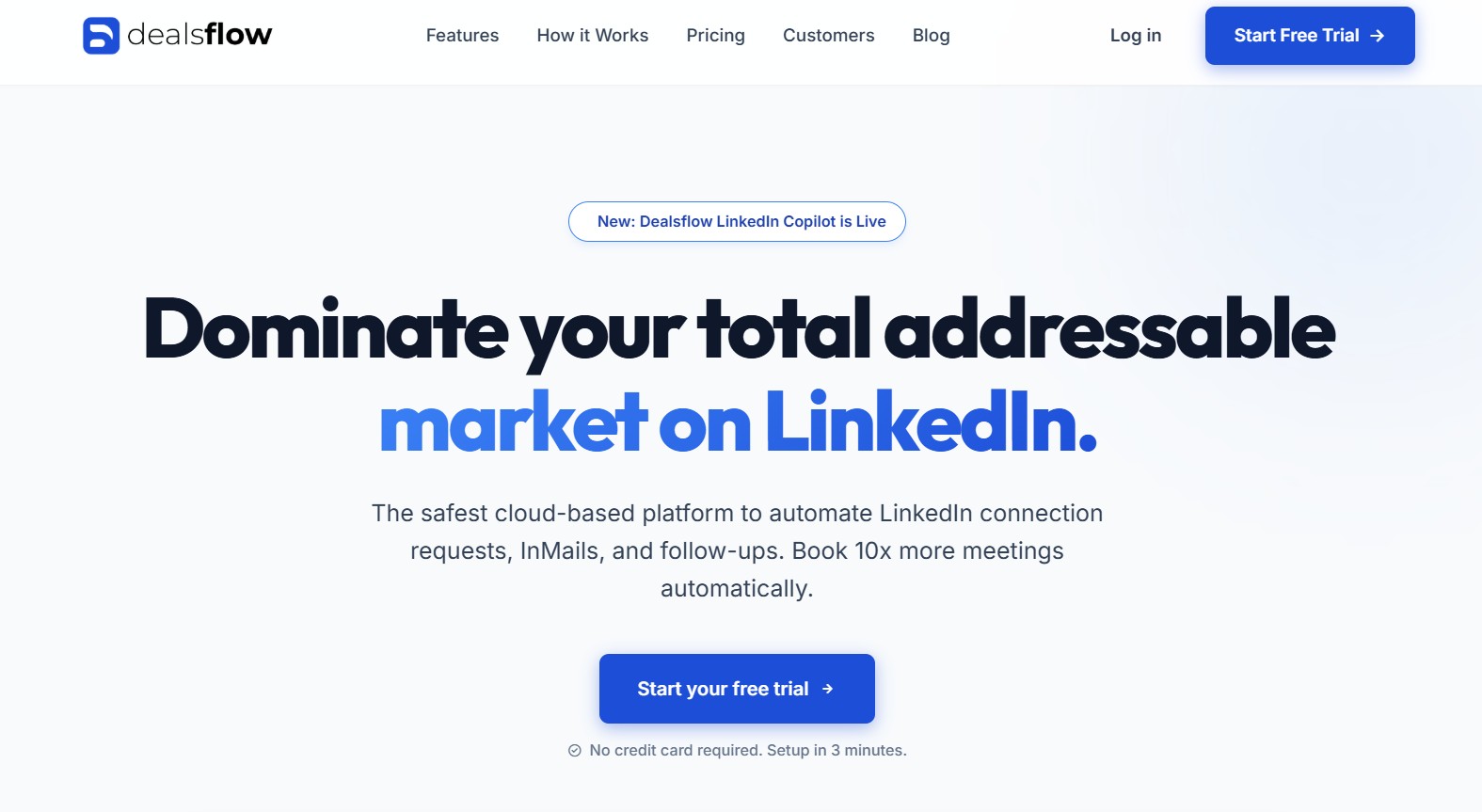
Dealsflow stands at the forefront of sales intelligence platforms designed specifically for B2B organizations. This comprehensive solution integrates multiple capabilities into a unified system, making it an all-in-one platform for modern sales teams.
The platform excels in delivering real-time business intelligence by monitoring company activities, funding announcements, personnel changes, and organizational growth signals. Unlike traditional CRM systems that require manual updates, Dealsflow continuously updates information about your prospects and accounts, ensuring your sales team always has current data.
Key Features That Matter
Dealsflow’s account intelligence features provide unprecedented visibility into prospect organizations. The platform tracks organizational changes, including new hires in critical departments, executive changes, and structural reorganizations. This information is invaluable because sales professionals can time their outreach when decision-makers are most receptive.
The platform’s predictive analytics engine analyzes historical win/loss data combined with current prospect signals to calculate engagement probability. This means your team can focus on accounts most likely to convert, rather than spreading efforts equally across all prospects.
Dealsflow integrates seamlessly with existing CRM systems and communication tools, eliminating the need for complex data migrations or workflow disruptions. The platform automatically enriches your CRM records with fresh intelligence, ensuring that every team member has access to the most current information about prospects and accounts.
Real-World Impact
Organizations using Dealsflow typically report 35-45% improvements in sales productivity, with many teams reducing time spent on research by up to 60%. The platform’s ability to identify buying signals enables sales professionals to engage prospects at optimal times, significantly improving conversion rates.
The integration capabilities mean that valuable intelligence flows automatically into your existing workflows. When your sales team logs into their CRM or email client, they immediately see relevant account intelligence and behavioral signals, eliminating friction in their daily operations.
2. HubSpot Sales Hub
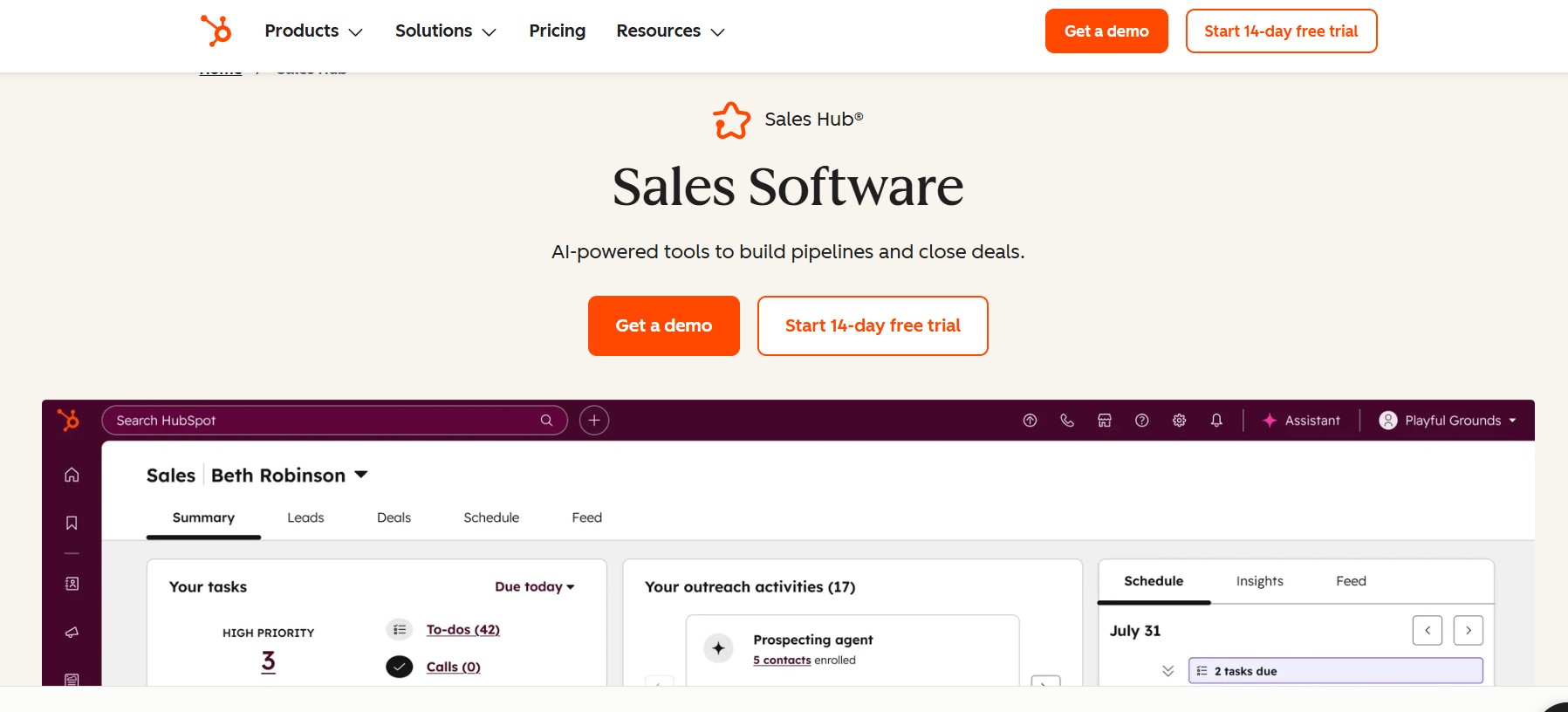
HubSpot Sales Hub has evolved into a mature platform that goes far beyond basic CRM functionality. The platform combines customer relationship management with AI-powered features that help sales teams work more intelligently.
The artificial intelligence features include predictive lead scoring, which analyzes thousands of data points to identify which prospects are most likely to purchase. The system learns from your historical sales data to improve its predictions over time, becoming increasingly accurate with usage.
Email Intelligence and Engagement
HubSpot’s email tracking and insights provide detailed visibility into prospect engagement. The system tracks when emails are opened, how many times they’re viewed, which links are clicked, and even which sections receive the most attention. This granular data helps salespeople understand prospect interest levels and tailor follow-up accordingly.
The email templates and sequences functionality allows teams to create personalized communications at scale. Rather than crafting individual emails for every prospect, sales professionals can set up intelligent sequences that adapt based on recipient behavior.
Sales Operations and Reporting
The platform excels at providing visibility into sales pipeline health through customizable dashboards and real-time reporting. Sales managers can track pipeline velocity, forecast accuracy, and individual rep performance without manually compiling data from multiple sources.
The workflow automation capabilities eliminate routine tasks from the sales process. Administrators can create sophisticated automation rules that update records, assign tasks, send notifications, and trigger actions based on specific conditions. This frees sales professionals to focus on relationship-building rather than administrative work.
3. Apollo.io
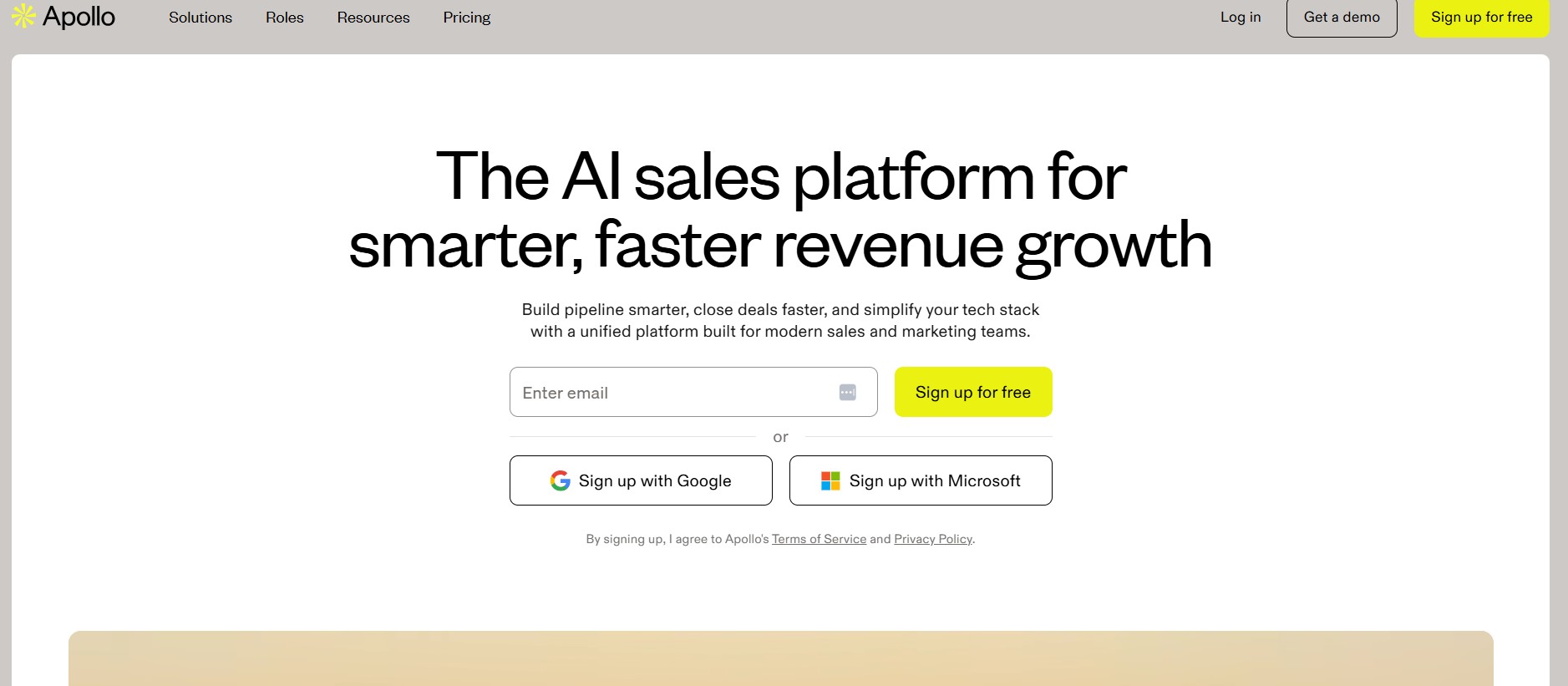
Apollo.io combines a comprehensive B2B database with intelligent automation features. The platform maintains information on hundreds of millions of business professionals and decision-makers, enabling sales teams to conduct sophisticated searches across multiple criteria.
The search functionality allows you to filter prospects by job title, company size, industry, technology stack, funding history, and dozens of other parameters. This precision targeting ensures that your outreach reaches relevant decision-makers rather than wasting time on poor-fit prospects.
Engagement Automation
Apollo’s automation features enable sales teams to execute multi-channel campaigns involving email, LinkedIn, and phone calls. The system can automatically sequence outreach across these channels based on recipient behavior, ensuring consistent follow-up without requiring manual intervention.
The platform’s response detection features automatically recognize when a prospect replies to an email sequence, pausing additional automated messages and allowing salespeople to take over the conversation. This prevents the prospect experience from degrading into automated spam.
Analytics and Intelligence
The platform provides detailed analytics on email deliverability, open rates, response rates, and conversion metrics. Sales teams can analyze which messaging resonates with different prospect segments, continuously optimizing their outreach effectiveness.
The real-time tracking features show which prospects have visited your website, which pages they viewed, and how much time they spent. This behavioral data provides valuable context for sales conversations and helps identify prospects showing genuine buying intent.
4. ZoomInfo
Comprehensive Database
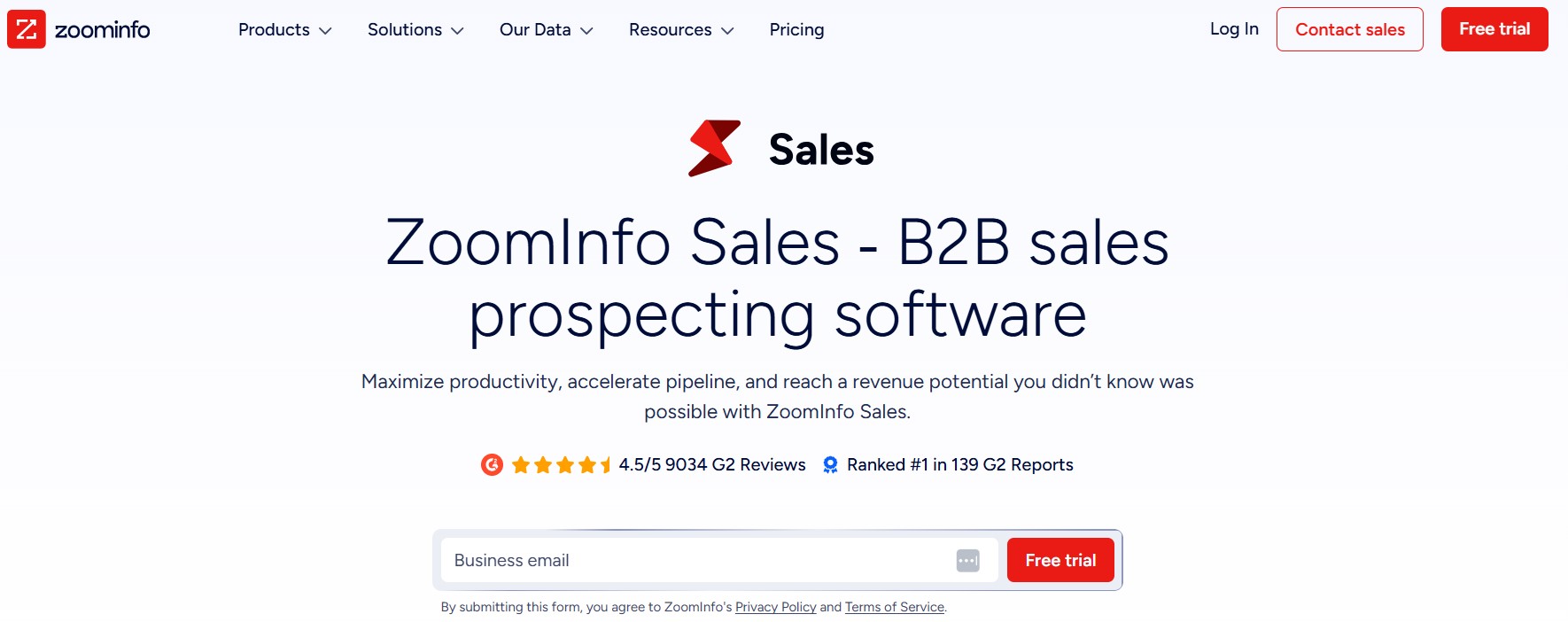
ZoomInfo maintains one of the largest B2B databases available, with information on hundreds of millions of decision-makers and companies. The platform combines multiple data sources including business records, web activity, social media signals, and firmographic data to create comprehensive prospect profiles.
The data quality standards are exceptionally high, with continuous verification processes ensuring accuracy. This matters significantly because inaccurate contact information wastes sales time and damages brand reputation with poorly targeted outreach.
Intent Data and Buying Signals
ZoomInfo’s intent data capabilities track when companies are actively researching solutions in your category. The platform monitors website visits, content consumption, search behavior, and other signals to identify prospects showing buying intent.
This intent intelligence is transformative because it enables sales teams to engage prospects at the exact moment they’re evaluating solutions. Rather than cold outreach, salespeople can approach prospects who are already in research mode, dramatically improving acceptance rates and conversation quality.
Sales Operations Integration
The platform integrates extensively with CRM systems and sales operations tools, ensuring that valuable data flows seamlessly into existing workflows. Sales teams can access prospect information directly within their CRM without navigating to separate systems.
ZoomInfo’s sales engagement features enable teams to execute coordinated multi-touch campaigns. The platform can orchestrate touchpoints across email, phone, and social channels, ensuring consistent messaging while respecting frequency preferences.
5. Outreach
Outreach specializes in helping sales teams execute complex sales sequences with precision. Rather than manually managing multiple email threads and follow-ups, the platform automates the execution of coordinated campaigns.
Sales professionals can create sophisticated sequences that branch based on recipient behavior. If a prospect opens an email but doesn’t click any links, the system might send a different follow-up message than if they actively engaged with content. This conditional logic ensures that sequences remain relevant rather than becoming robotic.
Conversation Intelligence
Outreach’s conversation intelligence features analyze sales calls and meetings to extract insights and identify coaching opportunities. The platform uses speech recognition and natural language processing to identify effective sales techniques, common objection patterns, and missed opportunities.
Sales managers can use these insights to identify top performers, understand what makes them effective, and share those techniques with the broader team. The system can also flag calls requiring coaching intervention, helping managers prioritize their development efforts.
Pipeline Visibility and Forecasting
The platform provides granular visibility into pipeline health through its advanced analytics capabilities. Sales teams can track opportunities from first contact through close, identifying where deals are stalling and which prospects require intervention.
The forecasting features leverage historical data and current pipeline composition to predict future revenue with greater accuracy. This enables more reliable business planning and helps executives understand realistic revenue expectations.
6. Salesforce Einstein
Salesforce Einstein integrates artificial intelligence capabilities directly into the Salesforce platform. The predictive analytics features analyze your CRM data to identify patterns associated with successful deals.
Einstein Lead Scoring evaluates incoming leads based on hundreds of signals to calculate which prospects are most likely to purchase. The system learns from your historical conversion data to continually improve its predictions, becoming more accurate over time.
Opportunity Intelligence
The platform analyzes opportunities in your pipeline to identify risks and recommend actions. If an opportunity matches patterns associated with deals that typically stall, the system alerts the sales team, enabling proactive intervention before the deal falls apart.
Einstein provides recommendations on next best actions based on similar opportunities that closed successfully. These suggestions help sales professionals navigate complex sales cycles with guidance from historical precedents.
Automated Insights
Salesforce Einstein automatically identifies important trends and patterns in your sales data. Rather than requiring salespeople to manually analyze reports, the system highlights significant changes in pipeline composition, win rates by segment, or performance trends.
The conversation intelligence features within Einstein analyze email and collaboration content to identify at-risk accounts or expansion opportunities. The system can flag when communication patterns change, potentially indicating relationship issues or shifting priorities.
7. LinkedIn Sales Navigator
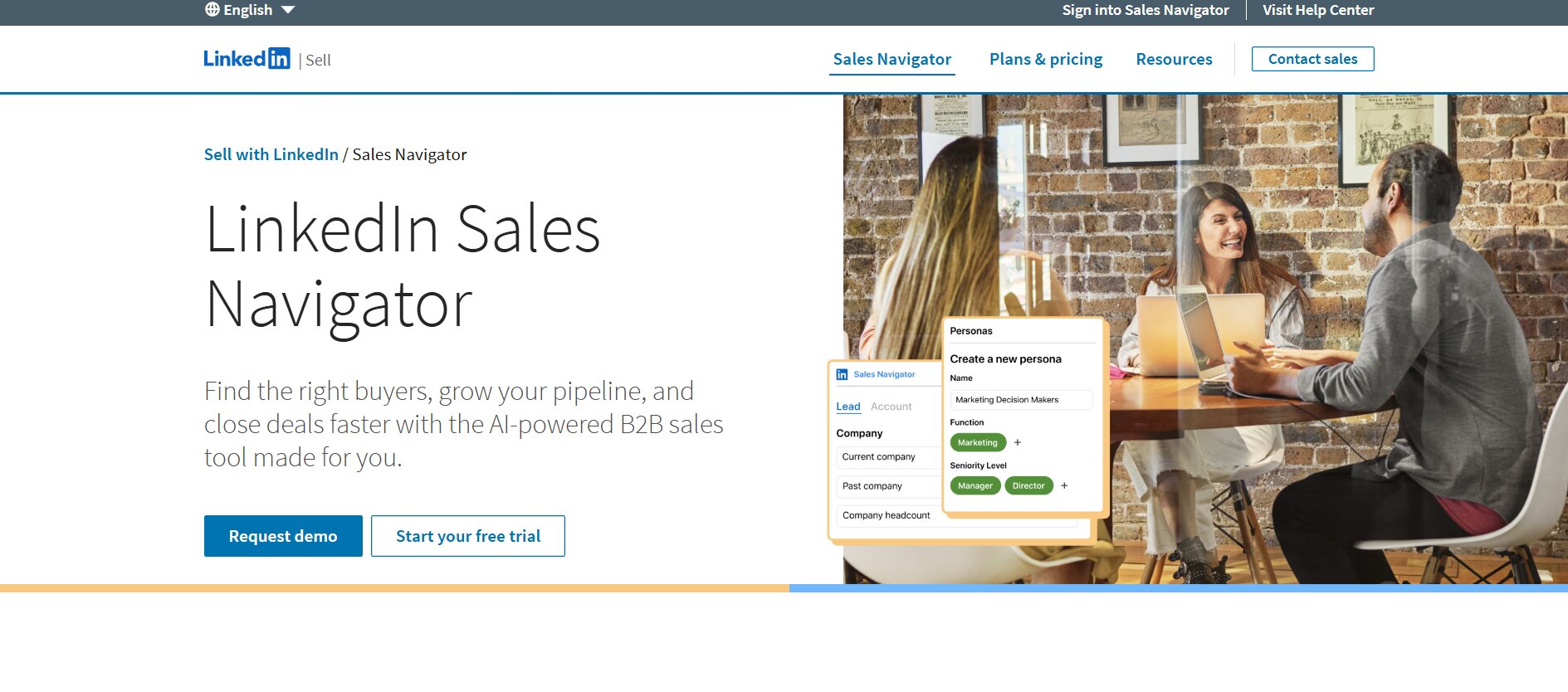
LinkedIn Sales Navigator provides access to LinkedIn’s database through a specialized interface designed for sales professionals. The advanced search capabilities enable teams to identify decision-makers matching specific criteria across virtually any industry.
The search filters include company size, industry, seniority level, skills, recent activity, and dozens of other parameters. This precision targeting ensures that your outreach reaches genuinely relevant prospects rather than wasting time on poor-fit leads.
Account-Based Selling Tools
The platform excels at enabling account-based selling strategies. Sales teams can organize prospects by target account, track multiple decision-makers within each organization, and coordinate outreach across team members.
The account insights feature provides real-time visibility into company activity, including personnel changes, company news, funding announcements, and employee job changes. This contextual information helps sales professionals engage in meaningful conversations rather than generic outreach.
Relationship Development Features
LinkedIn Sales Navigator makes relationship building easier by providing tools to maintain consistent engagement. Sales professionals can set reminders to reconnect with contacts, receive notifications when connections update their profiles or change jobs, and identify timing opportunities for outreach.
The InMail feature enables direct messaging to decision-makers outside your existing network, ensuring your message reaches intended recipients rather than getting buried in general email inboxes.
Exploring Advanced AI Tools for B2B Sales Teams Through Technology Evolution
The evolution of ai tools for b2b sales teams demonstrates how technology continues to reshape sales operations. The next generation of tools combines predictive analytics, natural language processing, and intelligent automation to address fundamental sales challenges.
These advanced solutions represent a significant departure from earlier sales technology that primarily handled data management and basic CRM functionality. Modern platforms actively analyze data, make predictions, identify opportunities, and recommend actions. Rather than requiring salespeople to manually analyze information, these systems deliver actionable insights automatically.
The most effective implementations recognize that AI tools work best when they augment human judgment rather than replace it. Sales professionals still make final decisions about which prospects to pursue and how to handle relationships, but they make those decisions with dramatically better information and automated support for routine tasks.
8. Gong
Gong automatically records and transcribes sales calls and meetings, creating a searchable database of customer conversations. This enables organizations to extract insights from conversations that historically would have been lost or available only through manual notes.
The transcription technology handles multiple speakers, various accents, and background noise, delivering highly accurate transcripts. Sales teams can search across their entire conversation archive to find examples of how similar objections were handled or identify discussions about specific product features.
Behavior Pattern Identification
The platform’s AI analyzes conversations to identify behavioral patterns associated with successful deals. If certain question-asking patterns correlate with higher win rates, the system highlights this pattern. Sales managers can then coach teams to adopt these effective behaviors.
Similarly, the system identifies patterns associated with deal losses. When conversations match patterns found in lost deals, the platform alerts sales leaders, enabling proactive intervention before the opportunity is lost.
Coaching and Development
Gong enables managers to prioritize their coaching efforts by identifying which reps need development in specific areas. Rather than providing generic feedback, managers can point to specific conversations demonstrating effective or ineffective techniques.
The platform’s side-by-side comparison features enable teams to analyze successful calls and unsuccessful calls to understand what made the difference. This comparative analysis provides concrete coaching material backed by actual conversation data.
9. Intercom
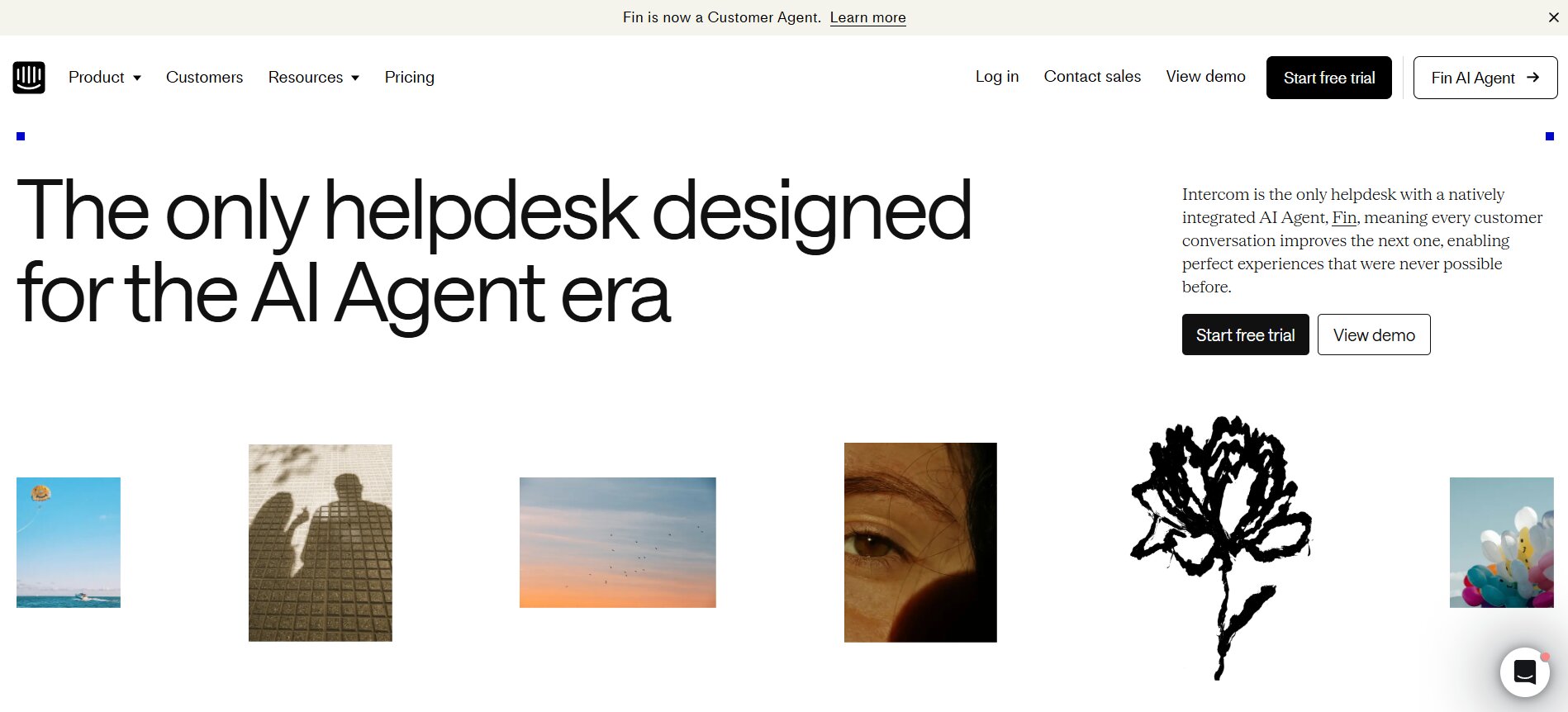
Intercom provides a comprehensive customer communication platform that enables real-time engagement with website visitors, leads, and customers. Rather than relying on passive contact forms, sales and support teams can initiate meaningful conversations through live chat, targeted messages, and in-app messaging.
Conversational Engagement at Scale
Intercom’s platform allows teams to segment audiences and deliver personalized messages based on user behavior, company characteristics, and engagement history. Sales professionals can automatically initiate conversations with high-value visitors, qualifying leads in real-time without requiring manual outreach.
The system integrates deeply with CRM platforms, ensuring that conversation data automatically enriches prospect records. Every interaction, question, and objection becomes part of the customer’s profile, providing context for future sales and support conversations.
Automation and Lead Qualification
Intercom’s AI-powered automation handles routine inquiries, collects essential information, and routes qualified leads to appropriate team members. The system learns from conversation patterns, continuously improving its ability to identify sales-ready prospects and route them efficiently.
The platform’s behavioral automation features trigger messages based on specific user actions—when someone spends time viewing pricing pages or downloads a key resource, Intercom automatically initiates targeted conversations at the optimal moment.
Performance Tracking and Analytics
The platform provides detailed metrics on conversation volume, response times, conversion rates, and customer satisfaction. Teams can analyze which messaging resonates with different segments and optimize their approach based on actual engagement data.
10. SalesLoft
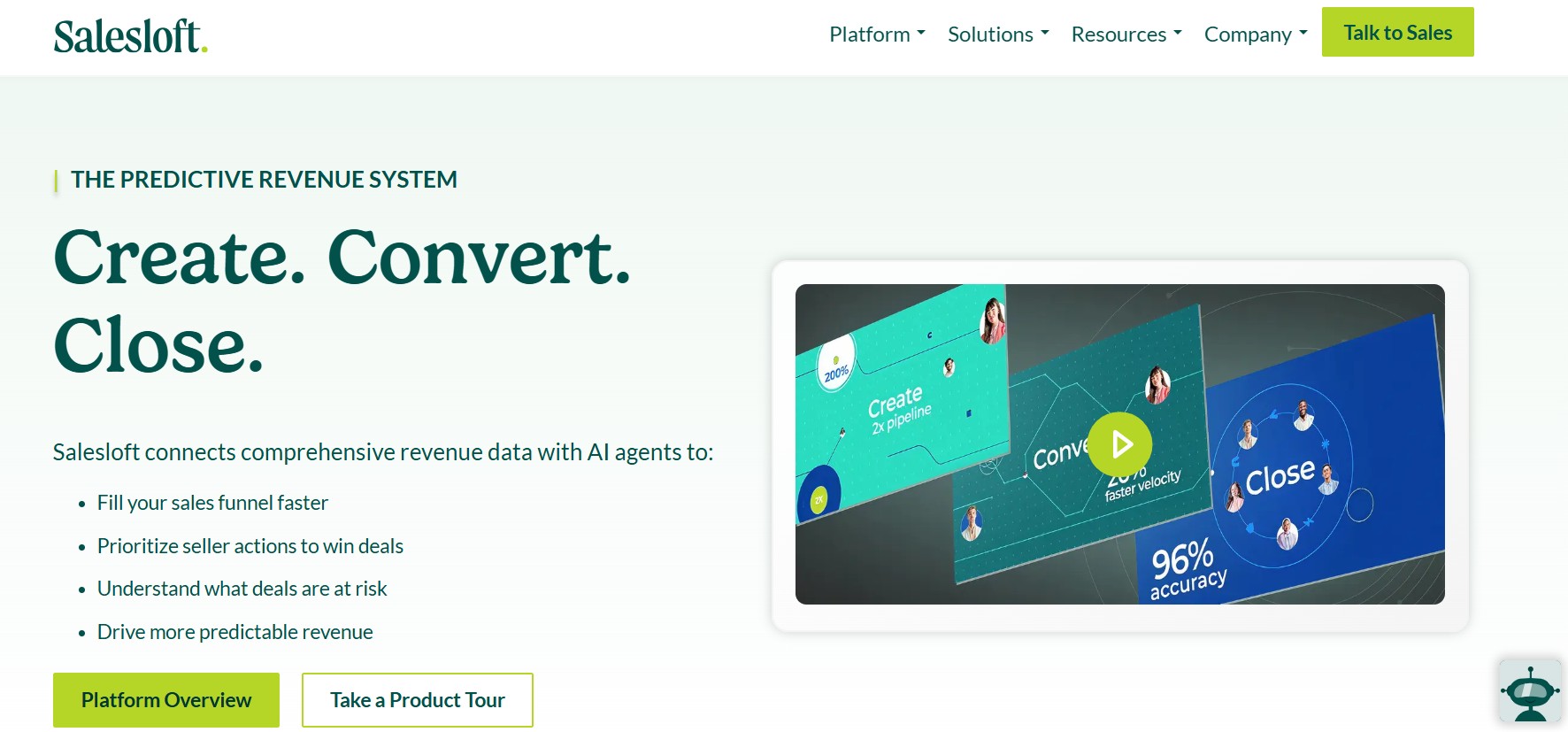
SalesLoft enables teams to create complex sales cadences that combine multiple communication channels. Rather than manually managing email threads, phone calls, and social touches, the platform orchestrates coordinated multi-touch campaigns.
The cadence builder features drag-and-drop interfaces that make it easy to create sophisticated workflows without requiring technical expertise. Sales teams can design cadences that adapt based on prospect behavior, ensuring that sequences remain relevant rather than feeling automated.
Phone and Communication Integration
The platform integrates phone systems, email, and social media into a unified interface. Sales professionals can work entirely within SalesLoft rather than switching between multiple tools, improving efficiency and reducing the chance that follow-ups fall through the cracks.
The dialer integration enables sales teams to make calls directly from the platform, with automatic logging of call outcomes and next steps. This integration reduces the administrative burden associated with phone-based outreach.
Pipeline Coaching and Management
SalesLoft provides pipeline visibility that helps managers understand which deals are progressing and which require intervention. The system tracks cadence execution, identifying when salespeople fall behind on scheduled activities.
The coaching features enable managers to provide specific feedback on opportunity management. Rather than general performance reviews, managers can discuss specific opportunities and recommend actions based on pipeline health indicators.
Comparison Table: Key Features and Capabilities
| Platform | Database Size | Automation | Intelligence | CRM Integration | Price Range |
|---|---|---|---|---|---|
| Dealsflow | Comprehensive | Advanced | Predictive Analytics | Excellent | Mid-Enterprise |
| HubSpot | Extensive | Robust | Lead Scoring | Native | Startup-Enterprise |
| Apollo.io | Very Large | Excellent | Real-time Tracking | Good | Affordable |
| ZoomInfo | Massive | Advanced | Intent Data | Excellent | Enterprise |
| Outreach | Integrated | Sophisticated | Conversation AI | Excellent | Enterprise |
| Salesforce Einstein | Integrated | Advanced | Predictive | Native | Enterprise |
| LinkedIn Sales Nav | Massive | Moderate | Profile Data | Good | Affordable |
| Gong | Integrated | Advanced | Call Analytics | Excellent | Mid-Enterprise |
| Drift | Integrated | Sophisticated | Chatbot AI | Good | Startup-Enterprise |
| SalesLoft | Integrated | Sophisticated | Activity Tracking | Excellent | Mid-Enterprise |
Key Considerations When Selecting AI Tools for B2B Sales Teams
Implementing new sales technology requires more than just installing software. Organizations need to ensure they have the right data infrastructure, skilled team members to manage implementation, and a change management process to drive adoption.
The best AI tools for B2B sales teams only deliver value when sales teams actually use them. This requires training, ongoing support, and management reinforcement of new processes. Organizations that treat implementation as a one-time event rather than an ongoing process typically see disappointing results.
Data Quality and Integration
The effectiveness of any AI-powered sales tool depends heavily on data quality. If your CRM contains inaccurate information, outdated contact details, or incomplete prospect profiles, the intelligence generated by AI systems will be compromised.
Before selecting new tools, conduct a thorough data quality audit. Understand what data you have, how accurate it is, and what cleaning may be required. Budget time and resources for data integration work that will be required to make the new platform operate effectively.
User Adoption and Change Management
Even the most powerful AI tools fail if salespeople don’t actually use them. Adoption requires addressing change management seriously, including clear communication about why changes are being made, how they benefit individual salespeople, and ongoing training and support.
Start with power users who are enthusiastic about new technology. Enable them to become advocates who demonstrate value to their peers. Provide ongoing training and support rather than expecting learning to occur from initial training alone.
Scalability and Growth
Select tools that can scale with your organization’s growth. What works for a 10-person sales team may not work effectively for 100 salespeople. Consider not just current needs but how your requirements will evolve as your business grows.
Evaluate the platform’s ability to handle increased data volumes, support more users, and accommodate expanded integrations. Choose partners that have demonstrated the ability to scale and that have products designed for enterprise implementation.
Advanced Strategies for Maximizing AI Tool Investment
Modern AI tools work best when aligned with account-based selling strategies. Rather than treating every prospect equally, account-based selling focuses resources on high-value target accounts with coordinated, personalized campaigns.
Leverage AI tools to identify high-value accounts, track all interactions with decision-makers within those accounts, and orchestrate coordinated outreach across your sales team. This ensures that prospects experience consistent messaging and coordinated engagement rather than fragmented interactions.
Predictive Intelligence for Resource Allocation
Use the predictive capabilities of modern AI platforms to allocate your sales team’s time and resources more effectively. Rather than spreading effort equally across all opportunities, focus on prospects and accounts most likely to convert.
Analyze which prospect characteristics, industries, and engagement patterns correlate with successful outcomes. Use this information to guide prospecting activities, ensuring that your team focuses on high-probability opportunities.
Continuous Learning and Optimization
The most successful sales organizations treat AI tools as continuous learning platforms. Regularly analyze which strategies and approaches deliver the best results. Share insights across your team and continuously refine your processes based on actual outcomes.
Create feedback loops where actual sales results inform future prospecting, messaging, and strategy. This iterative approach enables continuous improvement that compounds over time.
Implementation Best Practices
Phased Implementation Approach
Rather than attempting to implement a complete platform all at once, take a phased approach. Start with core functionality that addresses your most significant pain points. Ensure adoption of initial features before adding complexity.
This approach enables your team to become proficient with the basics before moving to more advanced features. It also provides time to identify any integration issues or training needs before expanding the implementation.
Clear Success Metrics
Define clear metrics that will determine whether your implementation is successful. These might include sales productivity (revenue per rep), sales cycle length, win rate, or pipeline efficiency.
Establish baseline measurements before implementation and track progress regularly. This enables you to demonstrate value to stakeholders and identify areas requiring additional attention or training.
Ongoing Support and Training
Budget for ongoing training and support rather than treating implementation as a one-time event. Dedicate someone to become an expert in the platform who can support other users. Invest in formal training programs for new team members.
Create knowledge bases and documentation that help users solve problems independently. Foster a culture where users ask questions and share tips for using the platform effectively.
Conclusion
The landscape of AI tools for B2B sales teams has matured dramatically, with platforms now offering sophisticated capabilities that fundamentally transform how sales organizations operate. The tools discussed in this comprehensive guide represent the state of the art in sales technology, each bringing distinct strengths to address different sales challenges.
The reality is that in 2026, effective B2B sales organizations leverage intelligent systems to augment human salespeople. Rather than competing against technology, successful sales professionals partner with AI tools that handle routine tasks, provide actionable intelligence, and enable smarter decision-making. This partnership drives dramatically improved productivity, higher conversion rates, and more consistent revenue growth.
Implementing the right AI tools for B2B sales teams requires careful evaluation, thorough planning, and committed change management. The platforms available today can deliver substantial ROI when implemented effectively. Success depends not on selecting the most feature-rich platform but on selecting the right tool for your specific needs and executing the implementation with discipline and proper support.
The competitive advantage increasingly goes to organizations that master the integration of AI capabilities into their sales processes. As these tools continue to evolve, the organizations that invest in proper implementation and user adoption will continue to outpace those that rely on traditional sales approaches.
Your sales team’s future depends on embracing these intelligent tools while maintaining the human relationships and judgment that close complex B2B deals. The organizations succeeding in 2026 are those that have figured out how to combine artificial intelligence with human expertise to create a sales force that is simultaneously more efficient and more effective.
Frequently Asked Questions
What is the typical ROI for implementing AI sales tools?
Organizations that successfully implement AI-powered sales tools typically report 25-40% improvements in sales productivity within the first year. This translates to higher revenue per rep, shorter sales cycles, and better forecasting accuracy. However, ROI depends heavily on implementation quality, data preparation, and user adoption. Organizations that treat implementation as a one-time event without change management typically see disappointingly low ROI.
How long does it take to see results from a new sales platform?
Initial improvements in productivity typically emerge within 1-2 months as teams become familiar with the platform and begin using its core features. More significant improvements from advanced features like predictive analytics usually require 3-6 months as the platform learns from your historical data. Full ROI realization typically takes 6-12 months, after the organization has optimized processes and achieved high user adoption.
Can AI tools replace sales professionals?
AI tools augment human salespeople; they don’t replace them. The tools handle routine administrative work, provide intelligence to improve decision-making, and automate repetitive tasks. Sales professionals still build relationships, negotiate deals, and make complex decisions. The future of sales involves salespeople working in partnership with intelligent systems, not AI replacing human judgment.
How do I ensure data security when using cloud-based sales tools?
Evaluate potential platforms based on their security certifications (SOC 2, ISO 27001), encryption practices, and compliance with relevant regulations (GDPR, CCPA). Ensure that your data governance policies align with the platform’s capabilities. Implement strong access controls within your organization to limit who can access sensitive prospect and customer information.
What training is required for teams to use new platforms effectively?
Effective training combines initial onboarding, hands-on practice, documentation, and ongoing support. Different team members will need different training—administrators need deeper technical training while salespeople need functional training focused on their daily workflows. Plan for 5-10 hours of initial training per user, plus ongoing support as they encounter new situations.
How do I choose between similar platforms?
Evaluate platforms based on your specific needs, not generic capabilities. What problems are you trying to solve? Which features matter most to your sales process? Consider requesting trials or pilot implementations so your team can actually use the platform before making final decisions. Involve key stakeholders in the evaluation process to ensure the selected platform meets various needs.
Should I implement one comprehensive platform or multiple specialized tools?
This depends on your organization’s sophistication and resources. Comprehensive platforms offer integration benefits and unified interfaces but may require compromising on specific feature depth. Multiple specialized tools offer best-of-breed functionality but require more integration work and coordination. Most mid-to-large organizations benefit from a primary platform supplemented by specialized tools addressing specific needs.