

The B2B landscape has fundamentally shifted over the past decade. Gone are the days when cold calling and email blasts were the primary means of building channel partnerships. Today, the most successful organizations understand that LinkedIn has become a crucial platform for identifying, engaging, and converting potential channel partners and resellers into long-term, profitable business relationships.
If you’re looking to expand your distribution network or establish meaningful partnerships that drive revenue growth, LinkedIn offers unprecedented opportunities to connect with decision-makers, understand their business needs, and build trust before the first sales conversation ever takes place. This comprehensive guide will walk you through the strategic and tactical approaches necessary to leverage LinkedIn effectively for winning channel partner and reseller deals.
What is the Channel Partner Ecosystem on LinkedIn
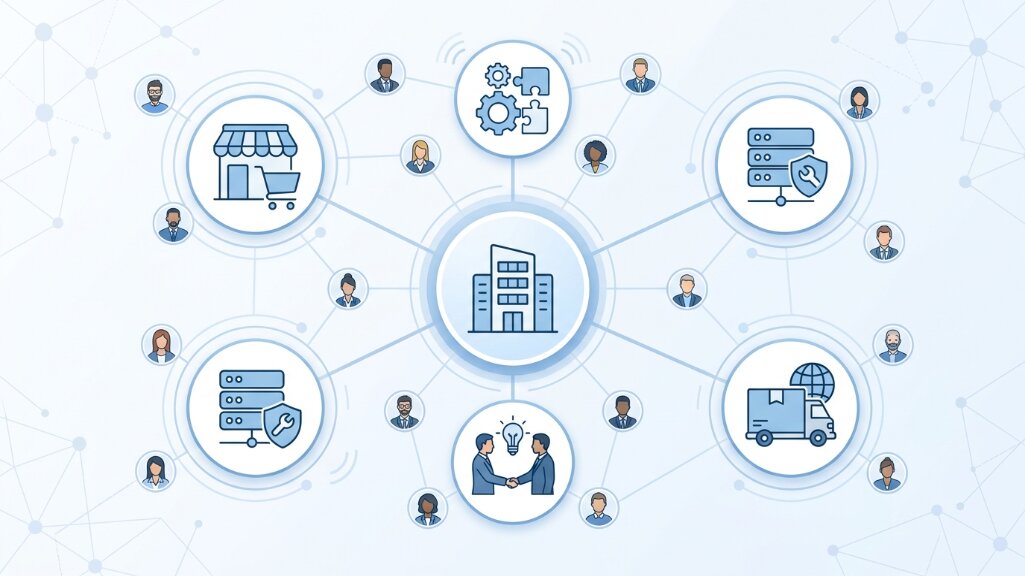
Before diving into tactics, it’s essential to understand what makes a successful channel partnership in today’s market. Channel partnerships represent a significant growth opportunity for software companies, technology providers, and B2B service firms. Unlike direct sales, channel partnerships allow you to extend your reach through partners who have established customer bases, industry relationships, and sales expertise.
The channel partner and reseller community on LinkedIn is diverse. It includes system integrators, value-added resellers (VARs), managed service providers (MSPs), technology consultants, and distribution partners. Each segment operates differently, has distinct pain points, and requires a tailored approach. Some resellers are exclusively focused on your product category, while others operate across multiple verticals and product lines.
One of the most critical insights is that resellers and channel partners are actively using LinkedIn to research potential vendors, understand market trends, and evaluate their own business positioning. This means they’re not just passive participants waiting for your outreach—they’re actively engaged in their professional networks, seeking partnerships and solutions that can help them grow their businesses.
How to Build Your LinkedIn Strategy for Channel Partner Acquisition
Developing a clear LinkedIn strategy is essential for attracting the right channel partners. This involves identifying your ideal partner profile, optimizing your company presence, and using targeted outreach to connect with distributors, resellers, and strategic partners who can expand your market reach.
Crafting a Compelling Company Page and LinkedIn Presence
Your LinkedIn company page serves as the foundation of your channel partner recruitment efforts. It’s often the first impression potential partners will have of your organization, so every element matters.
Your company page should clearly articulate your value proposition, but more importantly, it should address what your company offers partners specifically. This is different from your general company description. You should have dedicated content that speaks directly to partners—highlighting partner benefits, success stories of existing partners, and the partnership program structure. Many companies make the mistake of treating their LinkedIn page purely as a corporate marketing tool rather than a partnership recruitment platform.
The “About” section should include specific language about partnership opportunities. Use this space to explain your partner program tiers, benefits, and the types of partners you’re actively recruiting. If you have partner success metrics, include them here. For example: “We’ve helped 200+ partners grow their revenue by an average of 35% through our channel program.”
Your company page’s featured content section should prominently display partner-focused materials. This might include partner program overviews, case studies of successful partner implementations, partner webinar recordings, or interviews with top-performing partners. This approach demonstrates that you take partnerships seriously and have a structured program in place.
The company page background banner should reflect your brand identity, but consider using custom banner images that specifically speak to partnerships or integration capabilities. Some companies rotate their banner images to highlight different partner-related messaging throughout the year.
Optimizing Your LinkedIn Profile for Partnership Development
Your personal LinkedIn profile is arguably more important than your company page when it comes to building individual relationships with potential partners. If you’re involved in partnership development, your profile should clearly communicate your role and your organization’s commitment to partnerships.
Your headline should not simply state your job title. Instead, it should communicate your value and accessibility. For example, instead of “VP of Channel Sales at SaaS Company,” consider something like “Building Successful Channel Partnerships | VP of Channel Sales | Helping MSPs Scale Their Businesses.” This immediately tells people what you do and who you help.
Your profile summary should focus on your experience building successful partnerships. Include specific accomplishments, such as the number of partners you’ve recruited, the growth they’ve experienced, or the revenue your partnerships have generated. Share your philosophy on partnership building—what makes a good partner in your view? What are you looking for? This information helps potential partners self-select and understand whether they’re a good fit.
Include your partner program website link in the profile URL section. This makes it easy for people interested in learning more about your partnership opportunities to access detailed information with a single click. The easier you make it for someone to learn about and apply for your program, the more inquiries you’ll receive.
LinkedIn Channel Partner: Strategic Outreach and Relationship Building
Successful channel partnerships begin with meaningful relationships. LinkedIn allows businesses to start conversations with potential partners, nurture trust through thoughtful engagement, and build long-term collaborations that benefit both sides.
Identifying Your Ideal Partner Profile
Before you reach out to anyone, you need to know who you’re looking for. Create a detailed ideal partner profile (IPP) document that outlines the characteristics of partners you want to recruit. This includes company size, industry focus, geographic location, product expertise, customer base characteristics, and sales capabilities.
Use LinkedIn’s search filters to identify companies that match your ideal partner profile. The search function allows you to filter by industry, company size, job title, and more. For example, if you’re a cybersecurity software provider looking for MSP partners, you might search for “managed service providers” or specific job titles like “VP of Sales” at companies in your target industries.
Once you’ve identified target companies, research their leadership team and existing partnerships. Review their LinkedIn pages to understand their customer base, their service offerings, and their market positioning. Look at the employees they’ve recently hired—new hires in sales or partnerships roles often indicate a company that’s actively growing their team and might be more receptive to partnership discussions.
Pay attention to the content they’re sharing. Do they engage regularly with LinkedIn content? What topics do they care about? This information helps you craft outreach messages that resonate with their interests and current business priorities.
Developing a Personalized Outreach Strategy
Generic connection requests don’t work for channel partnership development. When you send a connection request to a potential partner, your message should demonstrate that you’ve done research and understand their business.
Your connection request message should:
Be Specific About Why You’re Connecting: Reference something you learned about their company or their professional background. “I noticed you’ve been rapidly expanding your MSP practice in the Midwest, and we’ve had great success partnering with similar service providers in that region” is far more compelling than “Let’s connect.”
Clearly State Your Intent: Don’t be coy about why you’re reaching out. “I’d like to explore partnership opportunities that could benefit both our organizations” is clear and respectful of their time.
Make It About Them: Focus on how a partnership could benefit their business. What challenges might they be facing that your partnership could address? What revenue opportunities could you create together?
Keep It Brief: People on LinkedIn receive dozens of connection requests daily. Your message should be no more than 2-3 sentences. Respect their time and attention.
Include a Clear Call to Action: Don’t leave them wondering what the next step should be. “Could we schedule a brief 20-minute call next week to explore this further?” gives them a clear action to take.
Here’s an example of an effective connection message:
“Hi [Name], I came across your company’s impressive growth in managed services in the healthcare space. We work with MSPs nationwide to expand their service offerings through [your solution], and I think there could be real synergies here. Would you be open to a brief conversation about potential partnership opportunities?”
Notice how this message is specific (healthcare space, managed services), demonstrates research, and makes a clear ask.
Building Relationships Before Making the Ask
One of the biggest mistakes organizations make is treating LinkedIn as a direct sales channel for partnership programs. Instead, successful partnership development on LinkedIn is about building relationships and demonstrating value over time.
Before you pitch your partnership program, focus on becoming a resource to potential partners. Engage with their content—comment thoughtfully on posts they share, congratulate them on company milestones, share relevant articles or insights in your messages. This activity builds familiarity and positions you as someone engaged in the partnership ecosystem.
Share content that would be valuable to your target partners. If you’re targeting MSPs, for instance, share content about MSP profitability, common challenges MSPs face, or best practices for scaling service organizations. This positions your organization as a thought leader and makes people more receptive to your eventual partnership pitch.
Host LinkedIn Live sessions or webinars that bring together potential partners, existing partners, and industry experts. These events serve multiple purposes: they build your network, they demonstrate your organizational capability, and they create natural opportunities for follow-up conversations.
How to Leverage Content to Attract Channel Partners and Resellers
High-value content can position your brand as an attractive partner. By sharing case studies, partnership success stories, industry insights, and growth opportunities, you can naturally draw the attention of potential channel partners and resellers.
Creating Partner-Focused Content Strategy
Content is one of your most powerful tools for attracting partners on LinkedIn. The right content attracts partners who are actively looking to grow their businesses and solve specific problems.
Develop content that addresses the specific challenges and opportunities partners face. If you’re targeting resellers, content about how to sell solutions in their industry, how to structure deals profitably, or how to expand into new verticals will attract the right attention. This content subtly positions your partnership program as a solution to their challenges.
Create case studies that feature your most successful partners. These are incredibly powerful because potential partners can see the real results other companies like theirs have achieved. The case study should include specific metrics: how many customers they acquired, how much revenue grew, how their team expanded. Detailed, honest case studies build credibility far more effectively than any program pitch.
Develop thought leadership content from your leadership team. If you have a Head of Channel Partnerships or VP of Sales, their insights on partnership trends, partner selection, or channel program best practices will attract partners to your organization. People want to work with organizations that are led by thoughtful, experienced partners of their own.
Video Content and Personal Connection
Video content on LinkedIn significantly outperforms text-based content in terms of engagement. Video creates a sense of personal connection that static content cannot achieve. For partnership development, video is particularly powerful because it helps potential partners get to know you and your organization’s culture.
Create short videos (60-90 seconds) from your partnership team introducing yourself, explaining why you’re passionate about building partnerships, and what you’re looking for in partners. Keep these videos personal and authentic rather than polished and corporate. People connect with people, not logos.
Partner testimonial videos are incredibly valuable. Have existing partners talk on camera about why they chose to partner with you, what benefits they’ve experienced, and what they’d tell a company considering your partnership program. These authentic testimonials are far more persuasive than anything you could write in a message.
Host regular LinkedIn Live sessions with topics relevant to your target partners. These might include training sessions on selling particular solution types, discussions about market trends, or panel discussions with your top partners. LinkedIn Live creates real-time engagement and gives you the opportunity to interact directly with potential partners.
Thought Leadership and Industry Positioning
Establishing your organization as a thought leader in the partnership space attracts the right partners. This means sharing insights about channel trends, partner success strategies, or industry developments that affect partnership models.
Write LinkedIn articles (LinkedIn’s long-form publishing platform) on topics like “The Future of Technology Partnerships,” “How to Structure Profitable Reseller Relationships,” or “Why Partnership Investment Matters in 2024.” These articles reach far beyond your immediate network and position your organization as sophisticated in partnership strategy.
Participate actively in relevant LinkedIn conversations. When industry topics are trending, comment thoughtfully. When peers in your industry post, engage with their content. This visibility keeps you and your organization top of mind within the potential partner community.
Building a Structured LinkedIn Channel Partner Program Presentation
When potential partners express interest, you need to be ready with a clear, compelling explanation of your partnership program. Many organizations fail here by being vague or unclear about program benefits, tiers, or expectations.
| Program Aspect | Key Information to Communicate |
|---|---|
| Partner Tiers | Clearly define entry level, growth level, and premium tiers with specific requirements and benefits for each |
| Margin Structure | Be transparent about gross margins, partner discounts, and how pricing works across different deal types |
| Support & Resources | Outline what sales support, technical training, marketing materials, and systems access partners receive |
| Territory & Exclusivity | Clearly explain territory assignments (if applicable) and how you handle channel conflicts |
| Partner Success Metrics | Define what success looks like—revenue targets, customer satisfaction, certification requirements, etc. |
| Go-to-Market Support | Explain co-marketing opportunities, lead generation support, and joint selling approaches |
| Training & Enablement | Outline product training, sales training, certification programs, and ongoing education resources |
| Performance Requirements | Be clear about minimum revenue commitments, customer satisfaction scores, and other metrics partners must maintain |
| Revenue Share Models | Explain how partner revenue is recognized, how recurring revenue is handled, and payment schedules |
| Conflict Resolution | Have a clear process for handling channel conflicts and disagreements |
This table should be converted into a visually appealing presentation that you can share on LinkedIn or use during partnership conversations. Create a downloadable PDF from your LinkedIn company page that potential partners can access—this removes friction from the evaluation process.
How to Utilize LinkedIn Sales Navigator for Reseller Outreach
LinkedIn Sales Navigator is a premium feature that provides advanced search and prospecting capabilities specifically designed for sales professionals. For channel partner and reseller outreach, it’s an invaluable tool.
Sales Navigator allows you to:
Create Custom Lead Lists: Build targeted lists of companies matching your ideal partner profile. You can use multiple filters to narrow down your search to exactly the companies you want to reach.
Receive Alerts: Set up alerts for companies and people matching your search criteria. When a new prospect enters your search criteria, you’ll be notified. This is valuable because growing companies frequently hire new sales and partnership people—alerts help you identify these changes quickly.
View More Profile Information: Sales Navigator shows more detailed information about prospects than the standard LinkedIn platform, including job change history and network connections.
InMail Capabilities: Sales Navigator allows you to send InMail to people who aren’t in your network. For premium outreach to top-priority prospects, this is worth the investment.
Track Engagement: See when prospects view your profile or engage with your content. This information helps you identify when prospects are actively interested in your organization.
Organizations that effectively use Sales Navigator typically see higher response rates from cold outreach and have better success identifying and qualifying partnership opportunities.
Reseller Outreach Best Practices on LinkedIn
Effective reseller outreach on LinkedIn requires personalization, clear value propositions, and respectful follow-ups. Instead of sending generic messages, focus on understanding the reseller’s business model and explain how partnering with you can create mutual growth.
Timing and Sequencing Your Outreach
Successful reseller outreach isn’t a single action—it’s a sequence of touches over time. Research shows that people typically need multiple exposures to a message before they respond or take action.
A typical outreach sequence might look like this:
Week 1: Initial Connection: Send a personalized connection request.
Week 2 (after they accept): Send a brief, value-focused message introducing your partnership opportunity. Don’t expect a response; the goal is to plant a seed.
Week 3: Engage with their content—comment on posts they share, congratulate them on company milestones. This keeps you visible without being pushy.
Week 4: Share relevant content in their LinkedIn inbox. “I thought you’d find this article interesting given your focus on [their industry].”
Week 5: If you haven’t gotten a response, send a brief follow-up message. “I wanted to check if my previous message got lost in your inbox. Still interested in exploring whether we could create value together.”
Week 6+: Continue engaging with their content and sharing relevant insights. Some prospects take months to warm up—consistency matters more than frequency.
This sequencing respects their time while keeping your organization top of mind. Many valuable partnerships start with a prospect who didn’t respond to the first contact but became interested months later when circumstances changed.
Handling Rejection and Moving On
Not every prospect will be interested in your partnership. When someone declines your offer or stops responding, resist the urge to be pushy. Instead, remain professional and open the door for future opportunities.
For example: “I appreciate you letting me know this isn’t the right time. I’d love to stay in touch—feel free to reach out if circumstances change or if you think of other companies in your network that might benefit from what we offer.”
This approach keeps the relationship positive and often results in referrals. People are more likely to refer you to others if they feel respected and not pressured.
Creating Mutual Value
The most successful partnerships on LinkedIn are those where both parties clearly understand the value they’ll receive. Your partnership outreach should emphasize what the reseller or channel partner will gain—not just what you will gain.
Rather than leading with “we’re looking for partners,” lead with “we’ve helped similar organizations grow their revenue by 40% by adding our solution to their service offerings. Would you like to explore how we could do the same for your business?”
The difference is subtle but significant. The first approach is about your needs; the second is about their benefits.
How to Leverage Partner Networks and Referrals
Existing partners can be one of the strongest sources for new partnerships. Leveraging partner networks, referrals, and introductions helps build credibility and accelerates trust when connecting with new distributors or resellers on LinkedIn.
Activating Your Existing Partner Base
Your best source of new partners is often your existing partners. They know their ecosystem, they understand what it takes to succeed in your partnership, and they have relationships with other potential partners.
Create a partner referral program on LinkedIn. Encourage existing partners to refer other companies they know that might benefit from your partnership. Incentivize these referrals—offer rewards in the form of additional margin, marketing funds, or exclusive benefits for partners who successfully refer other partners.
Recognize and celebrate top referring partners publicly on LinkedIn. Tag them in posts, feature them in articles, and highlight their success. This recognition motivates other partners to refer and positions them as influencers within the partner ecosystem.
Building a Partner Community
Use LinkedIn’s group functionality or create a dedicated Slack community for your partners. This creates a space where partners can learn from each other, share best practices, and stay engaged with your organization.
Within this community, share updates about new products, changes to your partnership program, or upcoming training sessions. More importantly, facilitate connections among partners. When you introduce partners to each other, you create value that extends beyond your organization.
Measuring Success and Optimizing Your LinkedIn Strategy
You can’t optimize what you don’t measure. Establish clear metrics for your LinkedIn partnership efforts:
| Metric | What It Measures | Target Benchmark |
|---|---|---|
| Connection Request Acceptance Rate | Percentage of connection requests that are accepted | 30-50% for good outreach |
| Message Response Rate | Percentage of initial outreach messages that receive a reply | 10-25% |
| Meeting Conversion Rate | Percentage of conversations that result in scheduled meetings | 15-35% |
| Partner Program Application Rate | Percentage of engaged prospects who formally apply to your program | 20-40% |
| Partnership Close Rate | Percentage of serious prospects who become actual partners | 30-60% |
| Revenue Per Partner | Average annual revenue generated per partner | Varies by industry |
| Content Engagement Rate | Percentage of your network engaging with partner-focused content | 3-8% |
| Profile View Rate | Number of profile views from your target audience | Increases over time with activity |
Track these metrics monthly and adjust your strategy based on what’s working. If your connection acceptance rate is below 20%, your messages may need to be more personalized. If conversations aren’t converting to meetings, your value proposition may need clarification.
Advanced LinkedIn Strategies for Channel Partnership
Beyond basic outreach, advanced strategies include using LinkedIn groups, thought leadership content, account-based networking, and targeted search filters to discover high-quality partners and scale partnership development.
Leveraging LinkedIn Advertising for Partner Recruitment
While organic LinkedIn outreach is valuable, paid LinkedIn advertising allows you to reach your target partner audience at scale. LinkedIn Ads allows you to create highly targeted campaigns specifically focused on partner recruitment.
Create LinkedIn Ads that speak directly to your target partner audience. A headline like “Expand Your Revenue: Join Our Partner Program” targets resellers and channel partners actively looking for opportunities. Use your ad copy to highlight specific benefits: higher margins, proven sales support, or exclusive territory rights.
Direct these ads to a landing page specifically designed for partner recruitment. This page should clearly explain your partnership opportunity, include testimonials from existing partners, and make it easy to apply for your program. The easier you make the application process, the more qualified applications you’ll receive.
Retargeting campaigns are particularly effective for partnerships. If someone has visited your partner program page but hasn’t applied, retarget them with messaging that addresses common objections or highlights specific benefits.
Collaborative Filtering and Network Effects
LinkedIn’s algorithm favors content that generates engagement. When potential partners engage with your partnership-focused content, the algorithm shows that content to their network. This creates a network effect where partnership-focused content reaches increasingly larger audiences.
Encourage your existing partners to engage with your LinkedIn posts. When partners comment on, like, or share your posts, their networks see this activity and begin to learn about your partnership opportunity. This organic amplification is far more credible than any advertising.
Create content specifically designed to be shareable. Posts that ask thoughtful questions, share surprising statistics, or highlight partner success stories typically get more engagement and shares than generic content.
Personal Branding for Channel Leaders
If you have multiple people on your partnership team, encourage each of them to develop personal brands on LinkedIn. When multiple team members are active and visible on LinkedIn, you create more touchpoints with potential partners.
This doesn’t mean everyone should be sending identical messages. Instead, each team member should develop their own voice and focus on the aspects of partnership development that interest them most. One person might focus on partnership strategy thought leadership, while another focuses on technical enablement, and another focuses on sales support.
Multiple visible team members also demonstrate organizational commitment to partnerships. When a potential partner sees several people actively engaged in partnership discussions, they gain confidence that partnerships are important to your organization.
How to Overcome Common Challenges in LinkedIn Partnership Development
Building partnerships on LinkedIn can come with challenges such as low response rates, unclear value propositions, or mismatched partner expectations. By refining your messaging, improving targeting, and focusing on relationship building, you can overcome these obstacles and create stronger partnerships.
Managing Inbound Inquiries
As you become more visible and active on LinkedIn, you’ll receive more partnership inquiries. It’s crucial to have a process for qualifying and managing these inbound opportunities quickly.
Create a dedicated email address for partnership inquiries and ensure this address is prominently displayed on your LinkedIn profile and company page. Assign someone to monitor this email daily and respond to legitimate inquiries within 24 hours.
Create a qualification checklist: What characteristics does an ideal prospect have? Using this checklist, you can quickly determine whether an inbound inquiry should receive intensive attention or a standard automated response.
For promising leads, schedule discovery calls quickly. The longer you wait to respond, the less likely you are to convert the opportunity. People who take the initiative to contact you about partnership opportunities are self-qualified and usually ready to move quickly.
Navigating Channel Conflict
As your partner ecosystem grows on LinkedIn, you’ll encounter situations where two partners want to sell to the same customer (channel conflict). This is a normal part of channel management, but it must be handled carefully.
Have clear, published policies about how you handle channel conflicts. Most organizations use first-in, last-in, or specialized rules: whoever first engages the customer gets the opportunity (first-in), whoever last engaged gets the opportunity (last-in), or certain customer types or verticals are assigned to specific partners.
Communicate these policies clearly on LinkedIn when recruiting new partners. This transparency prevents misunderstandings later and helps you recruit partners who are comfortable with your conflict resolution approach.
Building Trust at Scale
As your partner program grows, it becomes more difficult to build personal relationships with each partner. At scale, systematizing trust-building becomes essential.
Create video messages to new partners introducing yourself and explaining your commitment to their success. Regular video updates on partnership news, new resources, or market opportunities help partners feel connected to your organization even though you may not speak regularly.
Host quarterly partner webinars where you connect with all partners simultaneously. These events create touchpoints, allow you to communicate program updates, and demonstrate your organization’s commitment to partner success.
Conclusion
LinkedIn has fundamentally changed how organizations approach channel partner and reseller recruitment. The platform provides unprecedented opportunities to identify potential partners, build relationships, demonstrate value, and establish the trust necessary for successful long-term partnerships.
Success with LinkedIn channel partner recruitment requires a multi-faceted approach. It starts with optimizing your presence on the platform, moves through strategic outreach and relationship building, and evolves into a systematic program for partner recruitment and enablement.
Remember that partnership development is fundamentally about people and relationships. LinkedIn is a tool that facilitates these relationships, but the relationships themselves are what matter. The most successful partnership programs treat LinkedIn not as a sales channel but as a relationship-building platform.
Key takeaways for using LinkedIn to win channel partner and reseller deals:
- Optimize both your company page and personal profile for partnership recruitment
- Develop a clear ideal partner profile before beginning outreach
- Create personalized, value-focused outreach messages
- Build relationships before asking for partnerships
- Develop a content strategy that attracts your target partners
- Use LinkedIn Sales Navigator for advanced prospecting
- Implement a structured outreach sequence rather than one-off contacts
- Measure your results and optimize continuously
- Leverage your existing partners for referrals and community building
- Stay consistent and persistent—successful partnerships often take time to develop
The organizations winning the most channel partner and reseller deals aren’t necessarily those with the slickest marketing or the most aggressive sales tactics. They’re the ones who approach partnership development strategically, invest in building genuine relationships, and create clear, compelling value propositions for potential partners.
Your LinkedIn channel partner strategy should reflect your organization’s long-term commitment to partnerships. Partners can sense whether partnerships are truly valued or simply a revenue stream. Organizations that demonstrate genuine commitment to partner success, communicate transparently about program details and expectations, and actively support partner growth will consistently outperform those treating partnerships as a side initiative.
Start with the fundamentals: optimize your profile, identify your ideal partners, and begin meaningful outreach. Build from there, adjusting your approach based on results. LinkedIn offers the most cost-effective, scalable platform ever created for partnership development. The question isn’t whether you should be using LinkedIn for reseller outreach—it’s whether you’re using it strategically and effectively.
Frequently Asked Questions
Q: How long does it typically take to win a channel partner through LinkedIn?
A: The timeline varies significantly based on the prospect and your approach. Some prospects move quickly (2-4 weeks) while others take 3-6 months or longer. Consistency and persistence are more important than speed. Most successful partnerships don’t start from the first contact but develop over multiple touches.
Q: Should I focus on inbound or outbound partnership development?
A: The most successful programs use both approaches. Outbound activity (LinkedIn prospecting, Sales Navigator, advertising) generates a consistent pipeline, while inbound optimization (thought leadership, partner-focused content) attracts high-quality prospects. A good balance is typically 60-70% outbound and 30-40% inbound.
Q: How should I structure my LinkedIn profile if I’m new to partnership development?
A: Focus on demonstrating genuine interest in partnerships rather than extensive experience. Highlight any relevant experience from previous roles, emphasize your commitment to partner success, and make your profile approachable and personable. Over time, as you build partnerships, your profile becomes more powerful as social proof.
Q: What kind of content performs best for partner recruitment?
A: Partner success stories, market trend insights, and problem-solution content that addresses partner challenges perform best. Video content typically outperforms text. Case studies with specific metrics consistently perform well.
Q: How do I handle partners who go silent or stop responding?
A: Space out your follow-ups and maintain professionalism. After 2-3 follow-ups with no response, move your focus to more responsive prospects. Circle back to unresponsive partners 2-3 times per year—circumstances change and they may become interested later.
Q: Should I use LinkedIn chatbots or automated messaging?
A: Generally, avoid fully automated messaging as it comes across as inauthentic. Personal, human-written messages have significantly higher response rates. Tools that help you remember prospects or schedule reminders are fine, but the messages themselves should be personalized and genuinely written.
Q: How do I know if a company is a good partner fit?
A: Look for alignment in values, complementary customer bases (not competing), adequate sales and technical capability, geographic coverage that fills your gaps, and a growth-oriented mindset. The best partners see your product/service as a way to grow their business, not just another SKU to sell.
Q: What’s the best way to approach a competitor’s partner?
A: Approach this carefully and ethically. Focus on complementary opportunities rather than direct competition. “I noticed you work extensively in the financial services space, and our solution helps firms in that vertical solve [specific problem]. Would you be interested in exploring how we could work together?” is appropriate. Directly recruiting away a competitor’s partners without a genuine opportunity can damage your reputation.
Q: How often should I engage with potential partners’ content?
A: Aim for 2-3 meaningful engagements per week per prospect. This keeps you visible without being overwhelming. Quality matters more than quantity—thoughtful comments add more value than generic likes.
Q: Should I try to build partnerships with partners’ competitors?
A: Sometimes, but carefully. If you have enough market to support multiple non-competing partners in the same space, this can work. However, if your territory is limited, partners will rightfully object to you recruiting their direct competitors. Be transparent about your strategy.